Grab up to 60% off in Our Big Bathroom Savings!
Free Standard Delivery on Orders Over £499*
Bathroom Taps Buying Guide
How to Choose Basin and Bath Taps
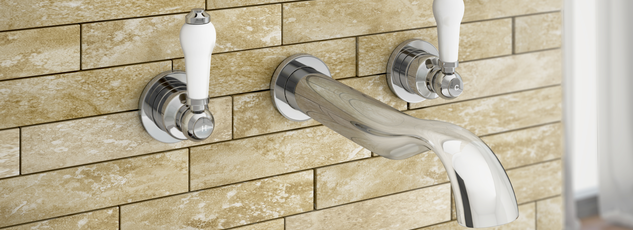
Bathroom taps may be small details, but they can make a big difference to how your bathroom looks and works. Whether you’re updating a basin, replacing bath taps or planning a full refresh, the right taps need to suit your water pressure, tap holes and everyday routine.
This bathroom taps buying guide walks you through tap types, water pressure, spout height and reach, materials, handles, approvals, installation checks and what’s included, so you can choose with confidence and avoid common fitting issues.
Table of contents
- Before you buy bathroom taps
- Matching your taps to your water system
- Basin taps
- Bath taps
- Bidet taps
- Tap safety standards and approvals
- Final considerations
- Tap maintenance tips
- FAQs
Before you buy bathroom taps
Before choosing your bathroom taps, check where they’ll be fitted and whether they’re compatible with your basin, bath or bidet. Start with the tap-hole layout, as this will determine whether you need mono taps, pillar taps, 2 hole mixers, 3 hole mixers, wall mounted taps or freestanding designs.
- 1 tap hole: Usually suits monobloc mixer taps or single-lever designs.
- 2 tap holes: Suited to pillar taps or two-hole mixers with separate hot and cold controls.
- 3 tap holes: Usually suit three-hole mixers with separate handles and a central spout.
- Bath tap holes: Check whether your bath has pre-drilled tap holes. Some baths come without them, giving you more flexibility for deck-mounted, wall mounted or freestanding taps.
- Spout height and reach: Check that the spout reaches comfortably into the basin or bath. If the tap is too short, water may hit too close to the edge. If it is too tall or powerful for a shallow basin, it may splash. Countertop basins usually need either a high rise basin mixer or wall mounted taps.
- Freestanding baths: Often work well with floor mounted or wall mounted taps, but they need more planning around pipework and floor space.
- Installation position: Wall mounted and freestanding taps need more planning than standard deck mounted taps. Check the pipework route, fixing position and access for future maintenance before buying.
The spout should reach comfortably into the basin or bath without causing excess splashing, and the handles should have enough clearance from walls, mirrors or splashbacks. If you’re replacing existing taps, matching the current setup can make installation simpler and help keep costs down. For basin taps, don’t forget to check whether you need a matching waste, such as a click-clack or plug-and-chain design.
Matching your taps to your water system
Your water pressure affects how well your taps work. Checking it before you buy can help you avoid slow-filling baths, weak flow or taps that do not perform as expected.
- High pressure systems, such as combi boilers or pressurised systems: Offer wide flexibility, including single-lever mixers, waterfall taps, and wall-mounted designs.
- Low pressure systems, such as gravity-fed systems: Require taps designed for low pressure (often traditional pillar taps or certain mixers) to ensure a satisfying water flow.

Once you know whether your system is high or low pressure, check the individual tap specification. Pressure requirements can vary by design, so don’t assume every tap in the same style will perform the same way.
- Check the minimum pressure: Many taps list a minimum operating pressure, usually shown in bar. Low pressure taps may work from around 0.2 bar, while some waterfall, wall mounted, freestanding or designer mixer taps may need higher pressure to perform well. Always check the product specification before buying.
- Balanced pressure: Mixer taps usually work best when hot and cold supplies are balanced. If one side has much stronger pressure than the other, flow and temperature control may be affected.
- Bath filling speed: Bath taps need a stronger flow than basin taps because they have to fill a larger volume of water. If your pressure is low, check the tap’s flow rate carefully before choosing a bath filler, waterfall tap or freestanding bath tap.
Basin taps
Basin taps come in a wide range of styles, each suited to different basin types, bathroom layouts and water pressure requirements. Whether you want a compact everyday mixer, a wall mounted design or a taller tap for a countertop basin, choosing the right tap type will help your basin look better and work properly.


Bath taps
Bath taps come in different designs depending on your bath style, tap-hole layout and how you use the space. From practical bath shower mixers to freestanding taps, the right choice can make your bath easier to use while helping tie the whole bathroom together.


Bidet taps
Bidet taps are designed for bidets rather than basins or baths. Many include a directional or adjustable spout, making it easier to control the water flow.
Before buying, check the bidet’s tap-hole layout, water pressure requirements and whether the tap includes a pop-up waste control. Bidet taps are not usually suitable as direct replacements for basin taps unless the product is designed for that use.
Tap safety standards and approvals
When shopping for bathroom taps, you may see approvals like TMV2, TMV3 and WRAS listed in the product details. These show that a tap meets certain safety, performance or water regulation standards, helping you choose a product that’s suitable for your home or project.
- TMV2 approval: TMV2 relates to thermostatic mixing valves for domestic use. It helps reduce the risk of scalding by regulating water temperature, making it especially useful for family bathrooms or homes with young children or older residents.
- TMV3 approval: TMV3 is a higher-grade approval often used for healthcare, care home and commercial settings. It offers stricter safety and performance standards, making it useful for accessible bathrooms or high-use environments where user safety is a priority.
- WRAS approval: WRAS approval shows that a tap complies with UK water regulations. It means the materials and components are suitable for use with the UK water supply.
Approvals can vary by product, so always check the individual tap specification rather than assuming every tap in a range has the same certification. For most home bathrooms, TMV2 can be useful for family safety, while TMV3 is more relevant to healthcare, commercial or accessible spaces. WRAS approval is also worth checking if water regulation compliance is important for your project.
Final considerations
Before you choose your bathroom taps, it’s worth checking the smaller details that can affect how they look, feel and perform day to day. Materials, finishes, controls, wastes and water-saving features can all make a difference to the final result.
- Tap material: Solid brass is commonly used for bathroom taps because it is strong and can handle regular use. It is often plated in finishes such as chrome, brass or nickel.
- Ceramic discs: Ceramic disc cartridges are more robust than traditional rubber washers, helping reduce drips while giving smoother, easy-to-use control.
- Tap finish: Chrome is popular, affordable and easy to maintain, while gold or antique gold can add warmth and a more traditional feel. Matt black, brushed brass and nickel can work well if you want a stronger contrast or a warmer finish.
- Basin waste: Pair your basin tap with a suitable basin waste, such as a click-clack or plug-and-chain design, to keep the look coordinated and practical. If your basin has an overflow, you’ll usually need a slotted basin waste. If it does not have an overflow, you’ll usually need an unslotted basin waste.
- Handle style: Lever handles are easy to use and accessible, crosshead and knob handles suit more traditional bathrooms, joystick handles offer a modern look, while push-button or sensor taps can help reduce touchpoints and water waste.
- Matching sets: Buying matching basin and bath taps can help create a more coordinated finish across your bathroom.
Water-saving features: Look for taps with aerators, flow regulators or non-concussive controls to help reduce water use without losing everyday comfort. - Essential features: Prioritise quality basics like solid brass construction and ceramic disc cartridges before spending more on luxury extras.
- Isolation valves: Isolation valves make future maintenance easier by letting you turn off the water to the tap without shutting off the whole bathroom.
- Universal finishes: Chrome and stainless steel are often more affordable and widely available than speciality finishes like brushed brass or rose gold.
Tap maintenance tips
A little regular care will help your bathroom taps look good and work properly for longer.
- Wipe after use: Dry taps with a soft cloth to help reduce water spots and limescale.
- Use gentle cleaners: Avoid abrasive pads or harsh chemicals, especially on matt black, brushed brass, gold or coloured finishes.
- Clean aerators: If the flow becomes uneven, the aerator may need cleaning to remove limescale or debris.
- Check for drips: Dripping taps may need a cartridge, washer or seal replacing.
- Look after moving parts: Swivel spouts, pull-out handsets and bath shower mixer hoses may need extra care because they have moving or flexible parts.
- Follow finish guidance: Always follow the manufacturer’s care instructions, as some speciality finishes need gentler cleaning than chrome.
FAQs
Still unsure which bathroom taps are right for your setup? These quick answers cover the basics, from choosing the right fit to installation, water-saving options and whether basin taps can be used on a bath.
Match your taps to the number of tap holes on your basin or bath, then check your water pressure, spout height, spout reach and installation type. If you’re replacing existing taps, choosing the same tap-hole setup can make fitting simpler.
Bathroom tap pressure requirements vary by design. Some traditional taps can work with low pressure systems, while waterfall, wall mounted, freestanding and many mixer taps may need higher pressure. Always check the minimum pressure listed on the product.
Generally, no. Basin taps are designed for smaller basins and usually have lower flow rates, while bath taps are designed to fill a much larger volume of water more quickly.
Simple like-for-like replacements may be suitable for confident DIYers, but a plumber is recommended if pipework needs changing, access is awkward, or you’re fitting wall-mounted, freestanding or concealed taps.
Final thoughts
Choosing the right bathroom taps comes down to tap holes, water pressure, spout height, installation type and how the tap will be used day to day. Once those practical details are right, you can choose a finish and handle style that suits your bathroom.
From simple basin mixers to bath shower mixers, wall mounted taps and freestanding designs, the best tap is one that looks good, works with your water system and fits your basin or bath properly. Ready to upgrade? Explore our extensive range of bathroom taps.