Grab up to 60% off in Our Big Bathroom Sale!
+ Extra 10% off our Radiator Range With Code RAD10. Ends:
Bathroom Furniture Buying Guide
How to Choose Furniture for Your Bathroom
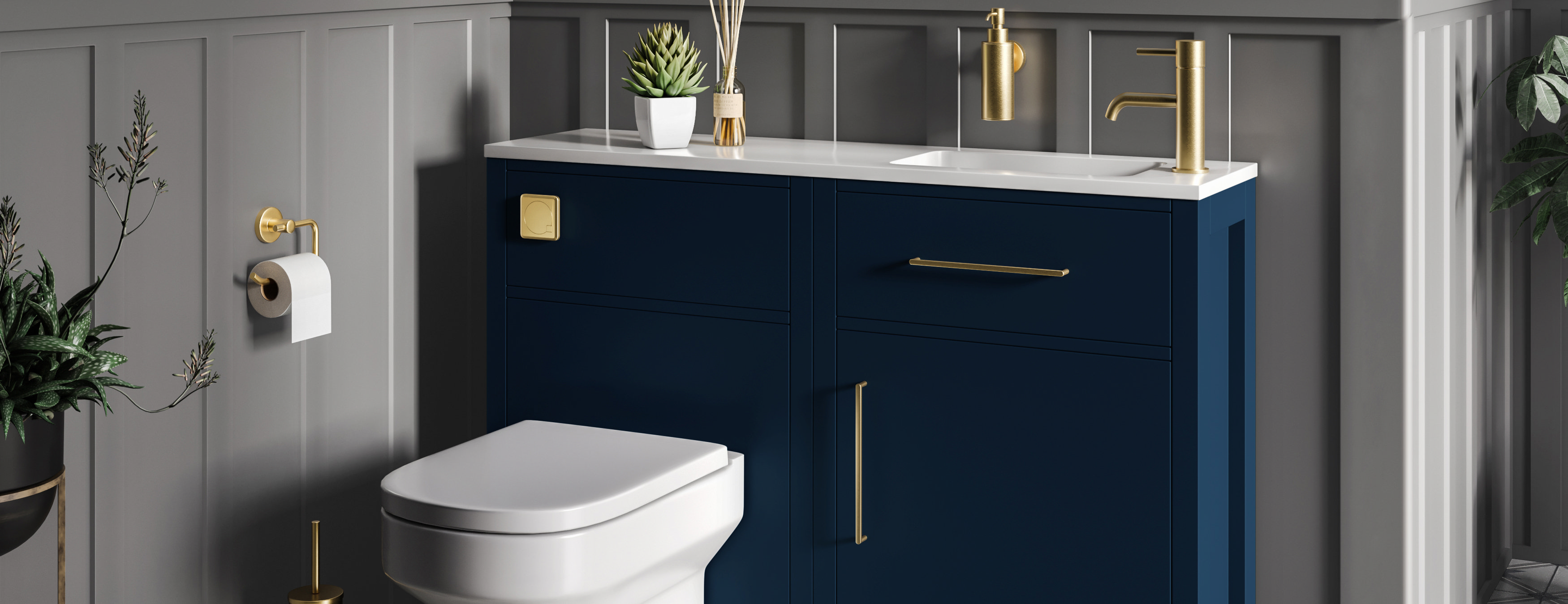
The right bathroom furniture can make your room feel tidier, more organised and easier to use every day. From vanity units and toilet units to tall cabinets and fitted furniture, the best choice depends on your space, storage needs, plumbing and budget.
This buying guide covers the main types of bathroom furniture, how to measure up, what materials and finishes to look for, and the practical checks to make before you buy.
Table of contents
- Space and positioning basics
- Bathroom furniture sizes
- Bathroom vanities
- Other bathroom furniture pieces
- Bathroom furniture accessories
- Features to consider
- Choosing the right bathroom storage
- Budgeting for bathroom furniture
- Care and maintenance tips
- FAQs
Space and positioning basics
When planning your bathroom layout, start by measuring the width, depth and height of your space. Check where windows, doors, radiators and existing pipework sit, as these can affect where your furniture fits and how easily doors or drawers open.
As a guide, allow around 60cm of clearance in front of units like vanities or toilets so the room feels comfortable to move around. If you’re choosing a vanity unit, also check the basin projection, waste position and pipework route. For wall hung units, make sure the wall can support the weight of the unit, basin and anything you plan to store inside. Freestanding units are easier to move or replace, while fitted furniture can give you a more built-in finish but may need more planning and installation work.
To help keep costs down, try to reuse existing plumbing and place new furniture where old fixtures were. Moving pipework or electrics can make the job more expensive.
Bathroom furniture sizes
Bathroom furniture comes in a wide range of sizes, so it’s worth matching the unit to both your room and storage needs.
- Cloakroom units: Compact vanity units and storage cabinets work well in small bathrooms, cloakrooms and en-suites where projection matters. Look for slim depths and short projection basins to keep the room easy to move around.
- Standard vanity units: Standard vanity units work well in everyday bathrooms and usually offer a good balance of basin space and storage. Check both the unit width and basin projection before buying.
- Large and double vanity units: Larger units and double vanities can give you more storage and counter space, making them useful for family bathrooms or master suites. They need more wall space and may require extra plumbing planning.
- Tall cabinets: Tallboys and tall storage units use vertical space well, but check ceiling height, door swing and whether the unit needs fixing to the wall for safety.
Bathroom vanities
Vanity units combine a basin with storage underneath, helping you keep toiletries, cleaning products and everyday essentials tucked away. They come in plenty of styles, from simple handleless designs to more traditional panelled units, so you can choose something that works with the rest of your bathroom. Because the basin and storage are built together, they can also help the room feel more coordinated.
Before choosing a vanity unit, check whether the basin is included, how many tap holes it has and whether the waste is supplied separately. You should also check whether your existing pipework lines up with the unit, as drawers and shelves can sometimes clash with waste pipes.


Bathroom furniture accessories
Bathroom furniture accessories are the finishing touches that make your storage work harder and look more complete. From worktops and taps to handles and organisers, the right extras can help you customise your furniture, improve everyday use and tie the whole bathroom together.
- Worktops and countertops: For fitted furniture or vanity units, choose from laminate, solid surface, or natural stone.
- Basin taps: Ranging from modern mixer taps to classic two-handle designs. Ensure compatibility with tap-hole configurations.
- Basin wastes and bottle traps: Check whether the basin has an overflow and choose a compatible slotted or unslotted waste. If pipework will be visible, choose a bottle trap that matches your taps and accessories.
- Cabinet handles: Small details that can completely transform the look of your furniture.
- Drawer organisers: Keep small items sorted and easily accessible.
- Filler panels and plinths: Fitted furniture may need filler panels, plinths or end panels for a neat, made-to-measure finish.
Features to consider
Bathroom furniture comes in a wide range of colours, finishes, materials and storage styles, so it’s worth thinking about what will work best for your space before you buy.
- Styles: Modern bathroom furniture usually features streamlined lines, handleless designs or minimal hardware, often in colours like anthracite or black. Traditional bathroom furniture tends to include ornate detailing, panelled doors and classic finishes such as cream, white or wood effect.
- Colours: Your choice of colour sets the mood. White gives a clean, timeless look, while grey or anthracite feels more modern. Black adds bold contrast, wood effect finishes like oak, walnut or driftwood bring warmth, and colours such as blue, green, pink or orange create a more eye-catching statement.
- Finishes: High gloss, matt and woodgrain finishes all look and feel different. Gloss can show fingerprints and water marks more easily, while matt and woodgrain finishes may be more forgiving day to day.
- Materials: MDF and MFC are budget-friendly and moisture-resistant when properly sealed, while solid wood offers a premium look but needs good ventilation to help prevent warping.
- Moisture resistance: Look for descriptions like “waterproof” or “moisture-resistant”, especially if your bathroom has poor ventilation.
- Storage configuration: Drawers are ideal for daily-use items, while cupboards work well for larger bathroom essentials like towels and cleaning products.
- Internal shelves and dividers: These help keep your bathroom essentials organised and easier to find.
- Soft-close mechanisms: Soft-close doors and drawers help prevent loud banging, protect hinges and add a more premium feel.
- Pre-assembled or flat pack: Flat pack furniture can be more affordable and easier to deliver, while pre-assembled furniture can save time and may feel sturdier.
- Wall fixing: Tall cabinets, wall cabinets and wall hung vanity units may need secure wall fixing for safety.
- Electrical features: Illuminated mirrors, demister pads, Bluetooth mirrors and shaver sockets should be suitable for bathroom use and installed safely by a qualified electrician where required.
Choosing the right bathroom storage
The right bathroom storage should make your space feel tidier, easier to use and better suited to your daily routine. Before choosing cabinets, drawers or shelving, think about what you need to store, how much room you have and which designs will work best with your bathroom layout.
- Assess your needs: Do you store mostly towels, or do you need extra space for haircare and skincare products? Determine what you’ll keep in the bathroom and size your cabinets accordingly.
- Measure twice: Always double-check width, depth, and height. Account for door swings, drawers, or any protruding handles.
- Consider your bathroom layout: In tighter rooms, wall-hung or corner pieces free up valuable floor space. In larger bathrooms, a mix of tall cabinets, mirror cabinets, and even a freestanding unit can offer ample storage variety.
- Look for moisture-resistant materials: Whether it’s MDF, wood veneer, or laminate, ensure the furniture is specifically designed for humid environments. This will help prevent warping or peeling over time.
- Coordinate with other fixtures: Match or complement the finishes on your taps, handles and accessories to help the room feel pulled together.
Budgeting for bathroom furniture
Bathroom furniture costs can vary depending on size, material, finish and installation needs, so it’s worth planning your budget properly before you buy.
- Set a realistic budget: Think beyond the cost of the furniture itself. Plumbing, electrical work, delivery and professional installation can all add to the final price, especially if you’re changing your bathroom layout. Costs can increase if you need pipework moved, wall hung furniture reinforced, units cut around existing plumbing, tiles repaired or old furniture removed.
- Invest in quality where it counts: Better materials, sturdy hinges and reliable drawer runners can help your furniture last longer and reduce the chance of warping, swelling or everyday damage.
- Choose standard sizes where possible: Bespoke furniture can quickly increase costs. Standard-sized units are usually more budget-friendly and often easier to replace or update later.
- Keep your existing layout: Retaining the same plumbing and electrical positions can help keep installation costs down and make the project simpler.
- Consider DIY assembly: Flat-pack furniture can be a more affordable option if you’re confident with assembly, helping you save on fitting costs. Even with DIY assembly, plumbing, wall fixing and electrical work may still need a professional.
- Check for bundles and offers: Look out for multi-buy deals, furniture sets and sales, as buying pieces together can often be better value than purchasing items separately.
- Plan for long-term savings: Moisture-resistant finishes, good ventilation and durable materials can help reduce maintenance costs and avoid premature replacements.
- Check the warranty: A longer warranty can give you extra peace of mind and often reflects the manufacturer’s confidence in the product.
- Look for spare parts availability: Check whether replacement hinges, handles, drawer runners or fixings are available, as this can make repairs easier and extend the life of your furniture.
- Check delivery and returns: Clear delivery information and helpful returns policies can make things easier if you need support after buying.
- Think about sustainability: Eco-conscious materials, sustainably sourced wood and low-VOC finishes may cost more upfront, but can be worth considering if they matter to your project.
- Explore finance options: Flexible finance can help spread the cost of your bathroom furniture. Look for the “finance available” tag on selected products.
Care and maintenance tips
Bathroom furniture is designed for humid spaces, but regular care will help it last longer.
- Wipe away water: Dry spills, splashes and standing water quickly, especially around basins, worktops and unit edges.
- Use gentle cleaners: Avoid harsh or abrasive cleaners that could damage painted, gloss, matt or wood-effect finishes.
- Ventilate the room: Use an extractor fan or open a window after baths and showers to reduce moisture build-up.
- Check seals: Keep silicone and worktop joints in good condition to help prevent water getting into edges or cut-outs.
- Look after hinges and runners: Avoid overloading drawers and adjust hinges or runners if doors or drawers stop lining up properly.
FAQs
Still weighing up your options? Here are quick answers to a few common questions about choosing bathroom furniture.
It’s best to use furniture designed for bathrooms. Bathroom furniture is made with moisture-resistant materials and finishes, while standard household furniture may swell, warp or peel in humid conditions.
Some vanity units include a basin, but taps, wastes and bottle traps are often sold separately. Always check the product details before buying.
Utilise vertical space with tall cabinets or wall mounted shelves, choose multi-functional furniture like vanity units with integrated storage, and consider corner units to make efficient use of limited space. Open storage units can also keep daily essentials within easy reach.
Choose moisture-resistant bathroom furniture, wipe away water quickly, keep the room well ventilated and make sure cut edges, worktops and joints are properly sealed.
Final thoughts
Choosing the right bathroom furniture comes down to space, storage, moisture resistance and how the units will be fitted. Measure carefully, check what is included, make sure taps and plumbing are compatible, and choose finishes that suit how the room is used day to day.
Once the practical details are covered, you can focus on the look, from compact cloakroom vanity units to fitted furniture sets and extra storage.
Ready to transform your bathroom? Explore our full range of bathroom furniture to find the perfect match for your budget and design vision.