Grab up to 60% off in Our Big Bathroom Sale!
+ Extra 10% off our Radiator Range With Code RAD10. Ends:
Kitchen Sink Buying Guide
How to Choose the Right Sink for Your Kitchen
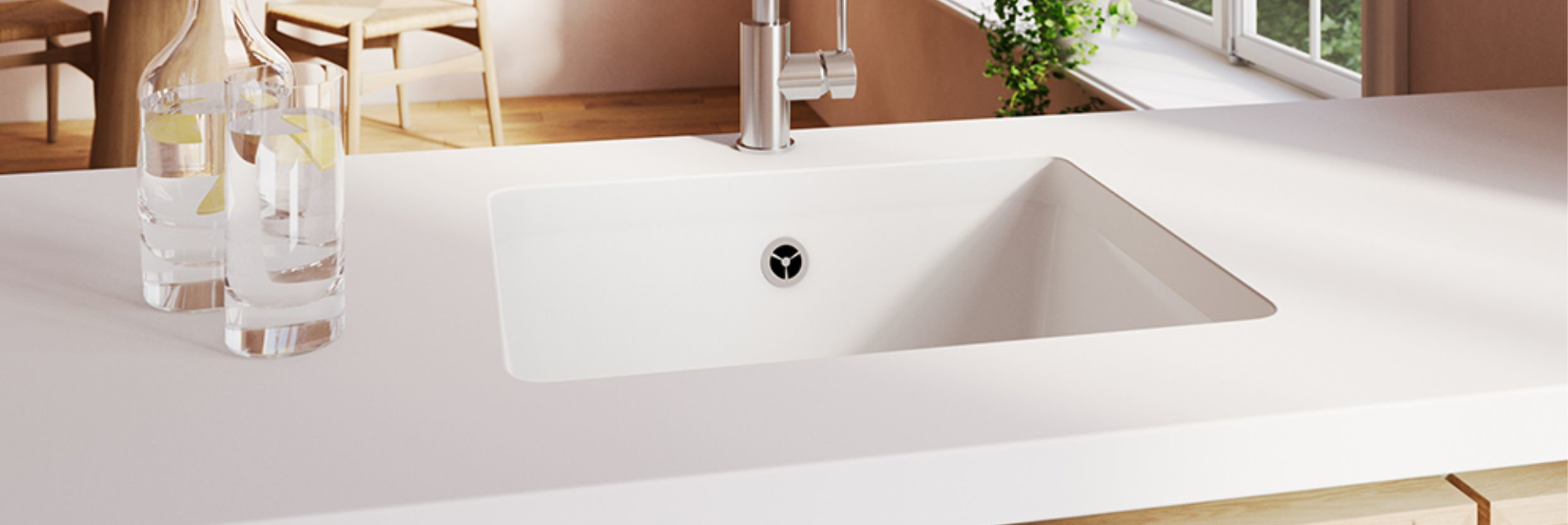
Your kitchen sink is one of the hardest-working parts of the room. From washing dishes and rinsing vegetables to filling pans and cleaning up after cooking, it needs to suit your space, your worktop and the way you use your kitchen every day.
This kitchen sink buying guide covers the key things to consider before you buy, including bowl size, sink materials, fitting types, tap compatibility, wastes, accessories and maintenance tips.
Table of contents
- Before you buy a kitchen sink
- Kitchen sink sizes and measurements
- How many bowls do I need?
- Kitchen sink materials
- Kitchen sink mounting types
- Drainers, wastes and accessories
- Installation considerations
- Maintenance tips
- FAQs
Before you buy a kitchen sink
Before choosing a kitchen sink, think about how it will fit into your kitchen layout and how you use the space day to day. A sink for a busy family kitchen may need to handle large pans, trays and frequent washing up, while a compact kitchen may need a smaller bowl to protect worktop space.
Start by checking your cabinet size, worktop material, plumbing position and tap setup. If you’re replacing an existing sink, choosing a similar size and fitting type can make installation simpler. If you’re planning a new kitchen, you’ll have more flexibility around bowl size, drainer position, tap placement and waste location.
Kitchen sink sizes and measurements
Getting the measurements right is one of the most important parts of choosing a kitchen sink. A sink can look perfect online but still be awkward to fit if it does not suit your cabinet, worktop or plumbing.
- Cabinet size: Check the minimum cabinet size required for the sink. The bowl needs to fit inside the cabinet below, with enough room for plumbing, waste fittings and any under-sink storage.
- Sink width and depth: Measure the available worktop space and check the full sink dimensions, including the bowl, drainer and outer rim. Larger sinks are useful for big pans and trays, but they can take up valuable worktop space.
- Bowl depth: Deeper bowls give you more room for washing larger items and can help reduce splashing. However, very deep sinks may feel less comfortable if you spend a lot of time washing up by hand.
- Worktop cut-out: Inset and flush mounted sinks need a cut-out in the worktop. Always check the manufacturer’s template or fitting guide before cutting.
- Drainer position: Some sinks are reversible, while others are left- or right-handed. Check whether you want the drainer on the left or right, depending on your kitchen layout.
- Tap hole position: Check whether the sink comes with a tap hole, multiple tap hole options or no tap hole at all. Some kitchen taps may need to be fitted into the worktop instead.
How many bowls do I need?
The number of bowls you need depends on your kitchen size, washing-up habits and whether you use a dishwasher.


Kitchen sink materials
Kitchen sink material affects durability, cleaning, noise, weight and how the sink looks in your kitchen. The right choice depends on your budget, kitchen style and how much maintenance you’re happy with.
- Stainless steel: Stainless steel sinks are durable, affordable and easy to clean, making them practical for everyday kitchens. They work with most kitchen styles, but they can show water marks and may scratch over time.
- Ceramic: Ceramic sinks have a smooth, glossy finish that suits both traditional and modern kitchens. They’re easy to clean and resistant to stains, but they can be heavy and may chip if hit with heavy cookware.
- Granite composite: Granite composite sinks are strong, hardwearing and available in a range of colours. They can work well if you want a sink that feels solid and coordinates with your kitchen, though darker finishes may show limescale in hard-water areas.
Kitchen sink mounting types
Not all kitchen sinks are fitted in the same way. The right mounting type depends on your worktop, cabinet and how you want the sink area to work.


Drainers, wastes and accessories
The sink itself is only part of the setup. Wastes, drainers and accessories can affect how practical the sink is day-to-day.
- Drainers: A built-in drainer gives you space for drying dishes, glasses and pans. If worktop space is limited, consider whether you need a full drainer, a compact drainer or a removable drying rack.
- Reversible drainers: Some sinks can be installed with the drainer on either side. This gives you more flexibility, but always check the product details before buying.
- Kitchen sink waste: A sink waste lets water drain away and usually includes a strainer or basket to help catch food debris. Make sure the waste suits your sink type and bowl configuration.
- Overflow: Many kitchen sinks include an overflow to help reduce the risk of water spilling over if the tap is left running. Check whether the overflow and waste kit are included.
- Plumbing kits: Double bowl and 1.5 bowl sinks may need specific plumbing kits to connect both bowls to the waste pipe.
- Accessories: Chopping boards, colanders, roll-up mats, soap dispensers, strainers and draining baskets can make your sink area more useful, but check they fit your sink size and bowl shape. Check whether accessories are included or sold separately.
Installation considerations
Kitchen sink installation depends on the sink type, worktop material and plumbing setup.
- Replacing an existing sink: If you’re replacing a sink like-for-like, check the current cut-out size, cabinet size, tap hole position and waste location before buying.
- New worktops: If you’re fitting a new worktop, decide on the sink before the worktop is cut. This is especially important for undermount and flush-mounted sinks.
- Worktop material: Inset sinks work with most worktops, while undermount sinks usually need solid surfaces such as quartz, granite or solid surface worktops. Laminate worktops are not usually suitable for undermount sinks because exposed edges can be damaged by water.
- Cabinet support: Heavy sinks, such as ceramic, fireclay and Belfast sinks, may need stronger cabinet support.
- Plumbing access: Make sure there is enough room below the sink for wastes, traps, tap connections, filters, bins and cleaning products.
- Professional fitting: Undermount, flush-mounted, Belfast and heavy ceramic sinks usually need more careful installation. A professional fitter can help avoid leaks, poor support or incorrect worktop cuts.
Maintenance tips
The right care will help your kitchen sink stay clean and last longer.
- Clean regularly: Wipe the sink after use to reduce water marks, food residue and limescale.
- Use gentle cleaners: Avoid harsh or abrasive cleaners, especially on coloured, composite, ceramic or coated finishes.
- Look after stainless steel: Clean in the direction of the grain where possible, and avoid leaving metal scourers or wet cloths sitting in the bowl.
- Prevent limescale: In hard water areas, dry the sink after use and clean around taps, wastes and corners regularly.
- Protect the surface: Use a sink grid or mat if you regularly wash heavy pans, especially in ceramic or fireclay sinks.
- Keep wastes clear: Empty basket strainers often and avoid letting food debris build up in the waste.
FAQs
Still choosing the right kitchen sink? These quick answers cover the key things to check before you buy, from bowl size and materials to fitting types and wastes.
The right material depends on how you use your kitchen. Stainless steel is practical, affordable and easy to clean, ceramic has a smooth traditional finish, and granite composite feels solid and comes in a range of colours. Think about cleaning, weight, noise and whether the finish may show water marks or limescale.
Choose a sink that fits your base cabinet, worktop space and daily routine. Compact kitchens may suit a single bowl, while larger kitchens or busy households may benefit from a 1.5 bowl, double bowl or large single bowl sink.
Not always. Some sinks include a waste, overflow and fittings, while others are sold as the sink only. Check the product details before buying, especially for 1.5 bowl and double bowl sinks.
Not always. Check whether the sink has a tap hole, how many tap holes it has and whether the tap needs to be fitted into the sink, worktop or wall. You should also check your water pressure and make sure there is enough space behind the sink for the tap to operate properly.
Yes, but the new sink needs to suit the existing cut-out, cabinet size, tap hole position and waste setup. If the new sink is smaller or a different shape, you may need a new worktop.
Final thoughts
Choosing the right kitchen sink comes down to size, bowl layout, material, fitting type and how you use your kitchen day to day. Start by checking your cabinet size, worktop material, tap setup and waste requirements, then choose the sink style that suits your space.
From compact single bowls to classic Belfast sinks and modern granite composite designs, the best kitchen sink is one that fits properly, looks right and makes everyday kitchen tasks easier. Explore our full range of kitchen sinks to find an option that suits your space, setup and routine.