Grab up to 60% off in Our Big Bathroom Savings!
+ Extra 10% off our Furniture Range With Code FURN10. Ends:
Bathroom Lighting Buying Guide
How to Choose the Best Lights for Your Bathroom
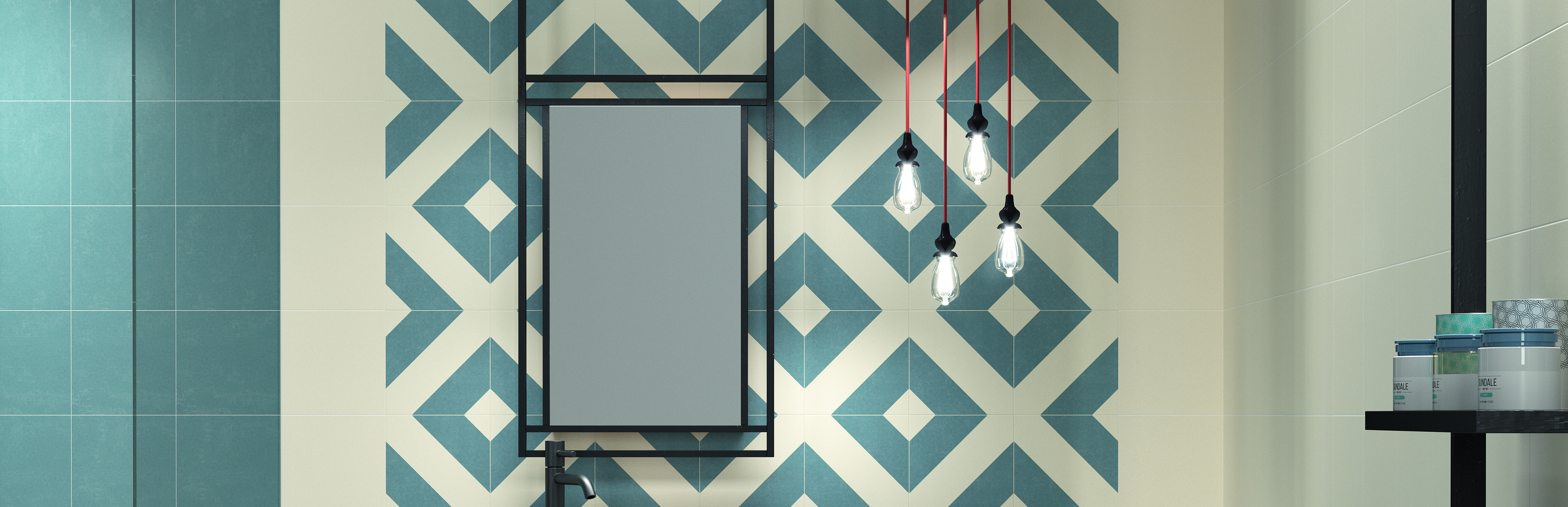
The right bathroom lights should make your space feel bright, safe and easy to use, whether you’re getting ready in the morning or winding down at night. They also need to be suitable for a moisture-heavy room, with the right IP rating for where they’ll be fitted.
This bathroom lighting buying guide walks you through bathroom zones, IP ratings, LED lighting, bulb types, colour temperature, brightness, mirror lighting and layered lighting, so you can choose safe and practical lights for every part of your bathroom.
Table of contents
- Bathroom zones
- IP ratings explained
- LED bathroom lighting
- Types of bathroom lighting
- The three layers of bathroom lighting
- Light bulb types for bathrooms
- Installation and safety checks
- FAQs
Bathroom zones: Where bathroom lights can be installed
Bathroom zones define how close a light is to water and how much protection it needs. The closer the light is to a bath, shower or basin, the higher the IP rating needs to be, so it’s important to choose fittings that are safe for each area.
- Zone 0: This covers areas inside a bath, shower tray or wet room floor where the light could be exposed to water. Any fitting in this zone must be fully waterproof, usually IP67 or higher, and low voltage, up to 12V.
- Zone 1: Zone 1 lighting covers the area directly above a bath or shower up to 2.25m. If you want shower spotlights, they must usually be at least IP44, but IP65 can offer more protection where water spray may reach the fitting.
- Zone 2: This includes the area around the bath, shower and basin where occasional splashes can happen. Zone 2 bathroom lights usually need to be IP44 rated or higher. Many bathroom mirror lights, vanity lights and wall-mounted fittings fall into this category.
- Outside zones: Areas outside zones 0, 1 and 2 are further from direct splashes, but bathroom lights should still be chosen carefully because of steam and condensation. In wet rooms or bathrooms cleaned with water jets, choose a higher IP rating where needed.
If you’re using mains-powered lights in Zone 1, UK building regulations require RCD protection. Bathroom electrical work should be carried out by a qualified electrician where required. If you’re unsure which zone a fitting sits in, choose a higher IP rating and get professional advice before installation.
IP ratings explained
Once you know where the light will be fitted, the next step is checking the IP rating. An IP rating tells you how well a light fitting is protected against water and dust. It’s written as IPXX, where:
- The first number from 0 to 6, refers to protection against solid objects such as dust or debris.
- The second number, from 0 to 8, refers to protection against moisture, such as water splashes, jets or immersion.
| Digit | First number: Protection against Solids | Second number: Protection against water |
|---|---|---|
| 0 | No protection | No protection |
| 1 | Protected against objects larger than 50mm | Protected against vertical dripping water |
| 2 | Protected against objects larger than 12.5mm | Protected against dripping water up to an angle of 15° |
| 3 | Protected against objects larger than 2.5mm | Protected against water falling as a spray up to 60° from vertical |
| 4 | Protected against objects larger than 1mm | Protected against splashing water from all directions |
| 5 | Protected against majority of dust | Protected against water projection from a 6.3mm nozzle from any direction |
| 6 | Total protection against dust ingress | Protected against powerful jets of water from any direction, using a 12.5mm nozzle |
| 7 | N/A | Protection against water immersion up to 1 metre |
| 8 | N/A | Suitable for continuous immersion beyond 1 metre |
Here are some common IP ratings you’ll see when choosing bathroom lighting:
- IP44: Splash-resistant and commonly used for zone 2 and many vanity lights.
- IP65: Protected against water jets and often used for shower ceiling lights or bathroom downlights.
- IP67: Protected against temporary immersion and usually required for zone 0.
- IP68: Designed for continuous immersion, usually in specialist areas such as pools or spas.
Always check the IP rating on the specific fitting, not just the bulb. A bathroom-safe bulb does not make a non-bathroom fitting suitable for wet or splash-prone areas.
The closer a light is to water, the more moisture protection it usually needs. If your light fitting does not show a suitable IP rating, do not use it in bathroom zones where moisture protection is required.
LED bathroom lighting
Traditional halogen bulbs have largely been phased out in the UK, so LED lighting is now the most practical choice for most bathroom updates.
| Bulb type | Efficiency | Lifespan (hours) | Brightness (lumens per watt) |
|---|---|---|---|
| LED | Usually most efficient | 20,000 to 50,000 | 80 to 100 |
| Halogen | Less efficient than LED | 2,000 to 4,000 | 16 to 24 |
| CFL | More efficient than incandescent | 8,000 to 15,000 | 50 to 70 |
| Incandescent | Least efficient (most energy wasted as heat) | 750 to 2,000 | 10 to 17 |
LED lighting is a popular choice for bathrooms because it’s efficient, long lasting and available in lots of fitting types. Here are a few useful benefits:
- Energy efficient: LED bulbs usually use less energy than older halogen bulbs.
- Long lifespan: LEDs tend to last longer than traditional bulbs, so they can need replacing less often.
- Lower heat output: LEDs usually give off less heat than halogen bulbs, which can be useful in smaller bathrooms.
- Smart options: Some LED bulbs and fittings work with app or voice controls.
- Flexible designs: LEDs are used in backlit mirrors, dimmable vanity lights, strip lighting and recessed spotlights.
Types of bathroom lighting


The three layers of bathroom lighting
Now that we’ve covered zones, safety ratings, and why LEDs rule, let’s talk about how to best layer your bathroom lighting. A well-lit bathroom should have layered lighting, combining these three types:
- Ambient lighting: This is your main source of bathroom light, helping to brighten the whole room. Good options include flush ceiling lights, LED panels and recessed spotlights, spaced across the ceiling to help avoid dark patches. A dimmer switch can be useful if you want to adjust the brightness throughout the day. Avoid relying on one central ceiling light, as it can create shadows around the mirror and leave corners feeling dim.
- Task lighting: This gives you focused light for shaving, applying makeup and skincare. LED vanity lights, backlit mirrors and side-mounted wall lights work well around the mirror, especially when placed on both sides rather than above to help reduce shadows. For more even mirror light, place lights at face height on both sides of the mirror where possible, or choose an LED mirror with even side or front lighting.
- Accent lighting: This adds softer light and can highlight features such as niches, vanity units or a freestanding bath. LED strip lights, cove lighting and wall-wash lights can work well for a more decorative glow.
| Best for | Typical LED wattage | Brightness | Colour temperature | Appearance |
|---|---|---|---|---|
| Accent lighting, LED strips and soft night lighting | 0 to 5W | Up to 300 lumens | 2700K to 3000K | Warm, soft light for a relaxed feel |
| Wall lights, mirror side lights and softer ambient lighting | 3 to 8W | 200 to 700 lumens | 2700K to 4000K | Warm to neutral light, depending on how bright and clear you want the space to feel |
| Bathroom downlights and general ceiling lighting | 6 to 10W per bulb | 400 to 900 lumens per bulb | 3000K to 4000K | Warm white to neutral white for everyday bathroom lighting |
| Vanity lighting and task lighting around mirrors | 5 to 12W per bulb/fitting | 500 to 1200 lumens | 3500K to 5000K | Neutral to cool white for clearer visibility when shaving, applying makeup or getting ready |
| LED panels or larger bathroom ceiling lights | 12 to 30W | 1000 to 3000 lumens | 3000K to 5000K | Brighter overall light for larger bathrooms |
| Very large bathrooms or commercial washrooms | 30W+ | 3000+ lumens | 4000K to 6500K | Stronger light where higher output is needed |
Wattage is only a rough guide for LED lighting, as brightness can vary by product. Always check the lumen output, colour temperature and IP rating of the fitting before buying bathroom lights.
Light bulb types for bathrooms
Before buying bathroom light bulbs, check the fitting type, maximum wattage, IP rating of the light fitting, dimmer compatibility and whether the bulb is suitable for enclosed fixtures.
- E14 light bulbs: E14 bulbs, also known as small Edison screw bulbs, are often used in wall lights, vanity lights and decorative fittings. Their smaller size makes them useful for compact fittings, but always check the brightness and colour temperature before buying.
- E27 light bulbs: E27 light bulbs: E27 bulbs, also known as standard Edison screw bulbs, are often used in ceiling lights, pendant fittings and larger bathroom wall lights. Their wider base can support brighter bulbs, making them useful for fittings where you need more light. Choose LED E27 bulbs if you want a more efficient option than older bulb types.
- G9 light bulbs: G9 bulbs are small, capsule-style bulbs often used in wall lights, pendant fittings and decorative bathroom lighting. Their compact size makes them useful for smaller fittings. LED versions usually use less energy than halogen options.
- GU10 light bulbs: GU10 bulbs are twist-and-lock spotlights often used in recessed ceiling lights, track lighting and directional spotlights. They can work well for task lighting around mirrors, showers and vanity areas. Some LED GU10 bulbs also offer adjustable colour temperatures.
- LED light bulbs: LED bulbs are now a common choice for bathroom lighting because they are efficient, long-lasting and available in many fitting types. They are available in base types such as E14, E27, G9 and GU10. Many LED bulbs also come in dimmable or smart-enabled versions, giving you more control over brightness and colour.
- Smart light bulbs: Smart bulbs can give you more control over brightness, colour temperature and schedules through voice commands or an app. Some models offer tunable white light, colour options or motion activation. Smart bulbs should still be used in a bathroom-suitable fitting with the correct IP rating for the zone. Also check WiFi or Bluetooth reliability if the bathroom is far from your router.
Installation and safety checks
Bathroom lighting needs to be planned carefully because water and electricity are close together.
- Use a qualified electrician: New bathroom lighting, extractor fans, shaver sockets, illuminated mirrors and hardwired fittings should be installed by a qualified electrician where required.
- Plan lighting early: Decide lighting positions before tiling, plastering or fitting furniture, as moving wiring later can be expensive and disruptive.
- Check ceiling height: Bathroom zones are affected by the height and position of baths and showers, so check whether your ceiling lights sit inside a regulated zone.
- Check compatibility: Make sure bulbs, dimmers, transformers, drivers and smart controls all work together.
- Ventilation: Good ventilation helps reduce steam and condensation, which can affect fittings over time.
FAQs
Still have questions about bathroom lighting? These quick answers cover some of the most common things to check, from shower-safe fittings and mirror lighting to choosing the right colour temperature.
Only if they are suitable for where they are being installed. Bathrooms have zones based on splash risk, so lights near baths, showers and basins need the correct IP rating.
Yes, but it must be suitable for the correct bathroom zone and have the right IP rating. Zone 1 lights above a bath or shower are commonly IP44 minimum, but IP65 can offer more protection where water spray may reach the fitting. Always follow the product guidance and use a qualified electrician where needed.
Hardwired bathroom lights, extractor fans, LED mirrors and new circuits should be installed by a qualified electrician where required. This helps make sure the fitting is installed safely, correctly rated and compliant.
Side-mounted lights at face height or an evenly lit LED mirror usually give the most balanced light for grooming. Avoid relying only on overhead lighting, as it can create shadows. For makeup, shaving and skincare, choose a bright light with a high CRI where possible, as this helps colours look more accurate.
Warm white lighting, usually around 2700K to 3000K, creates a softer, more relaxing feel that works well for unwinding. Cool white lighting, around 4000K to 5000K, gives a brighter, clearer light that’s better for tasks like shaving or applying makeup. For more flexibility, tunable white LEDs let you adjust the colour temperature to suit different times of day.
Final thoughts
The right bathroom lighting should be safe, bright enough for everyday tasks and flexible enough for relaxing. Start by checking bathroom zones and IP ratings, then think about brightness, colour temperature, CRI and where each light will be placed.
Layering ceiling, mirror and accent lighting can give you a more practical result. Once the safety and fitting details are covered, you can choose a style that suits your bathroom, from simple IP-rated downlights to LED mirrors and decorative wall lights.
Ready to brighten up your bathroom? Browse our full range of bathroom lights to find safe, stylish and practical options for every zone.