Grab up to 60% off in Our Big Bathroom Sale! | Free Standard Delivery on Orders Over £499*
+ 10% off Tiles & Tiling With Code TILES300 When You Spend £300 on Tiles and Tiling Supplies!
Bathroom Basin Buying Guide
How to Choose the Right Basin for Your Space
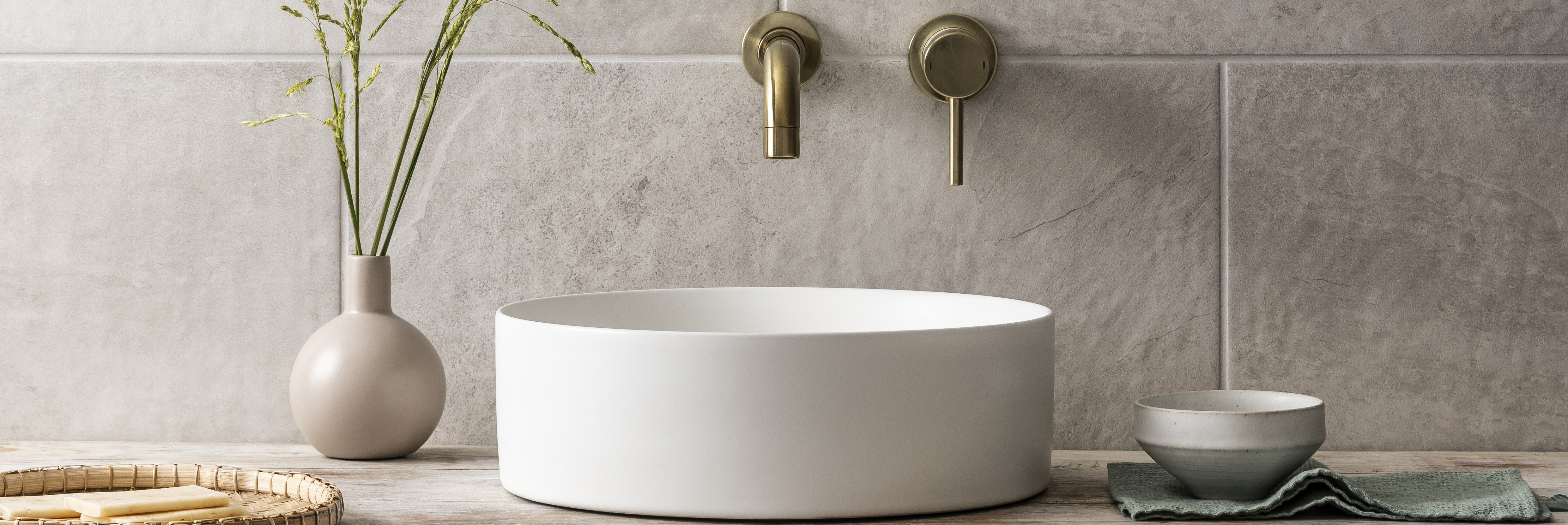
Basins come in a wide range of shapes, sizes and fitting styles, so it’s worth thinking about more than just the look. The right basin should suit your space, work with your taps and plumbing, and be practical for everyday use.
In this guide, we’ll walk you through the main types of bathroom basins, how to measure up, which taps and wastes you may need, and the materials worth considering before you buy.
Table of contents
- Types of basins
- Specialist basin styles
- Key considerations before you buy
- Basin wastes and bottle traps
- Basin materials
How to install a basin - FAQs
Types of basins
The best basin style for you will depend on your room size, storage needs and existing plumbing. Here’s a quick look at the main types, plus where each one works best.


Specialist basin styles
There are a few other basin styles worth knowing about, especially if you’re working with a tricky layout, a smaller room or a more specific finish.
- Washstands: Washstand basins sit on a metal or wooden frame, giving your bathroom a more open, furniture-style look. They can work well in period-inspired or modern bathrooms, but the pipework is usually more visible and you won’t get as much storage underneath.
- Cloakroom basins: Cloakroom basins are compact designs made for small bathrooms, guest toilets and en-suites where every bit of room matters. They’re great for tight spaces, but the smaller size may give you less room for washing and fewer style options than a larger basin.
- Inset basins: Inset basins sit neatly into a countertop or vanity unit, giving you a tidy finish with useful surface space around the basin. They’re a good option for busy bathrooms, but they do need accurate fitting and a compatible worktop or unit.
- Under-counter basins: Under-counter basins are fitted beneath the countertop, leaving the surface above looking clean and uncluttered. They work well in modern bathrooms and en-suites, but they need a strong, suitable countertop and careful installation.
- Stone basins: Natural stone basins are made from materials like marble, granite or limestone, so each one has its own markings and texture. They can add a more natural, spa-like feel, but they’re usually heavier, more expensive and may need sealing or extra care to help prevent staining.
Key considerations before you buy
Before choosing a basin, think about how it will fit into the room and how it will work with your existing plumbing. A few quick checks around size, layout and tap compatibility can help you avoid awkward fitting issues later on.
- Measuring up: Measure the width, depth and projection of the space available. Projection is especially important in cloakrooms and narrow bathrooms, as a basin that sticks out too far can make the room harder to move around. Leave enough clearance in front of the basin so it feels comfortable to use.
- Space and layout: If you’re replacing an existing basin, keeping it in the same position can help reduce plumbing work and installation costs. For compact spaces, look for short projection, wall hung or corner basins. For larger bathrooms, a vanity unit basin can add useful storage and help the room feel more finished.
- Type of room: Think about who will use the basin most. Cloakrooms usually suit compact wall hung, corner or short projection basins. Family bathrooms often benefit from a wider basin or a vanity unit with storage. En-suites can work well with countertop, wall hung or semi recessed designs, depending on the space available.
- Plumbing compatibility: Check whether your existing pipework suits the basin style you want. Wall hung, washstand and some cloakroom basins may leave pipework visible, so you may need a decorative bottle trap. If you are moving the basin to a new position, allow for extra plumbing work.
- Tap compatibility: Check how many tap holes the basin has before choosing your taps. One tap hole suits a basin mixer, two tap holes suit separate hot and cold taps, and no tap holes usually means you’ll need wall mounted or countertop-mounted taps. It’s also worth checking the tap height and spout reach, especially with countertop basins, to help prevent splashing.
- Wall and furniture support: Wall hung and semi-pedestal basins need a suitable wall that can support the weight of the basin once fitted. If you’re installing onto a stud wall, extra reinforcement or a fixing frame may be needed. Countertop, inset and under-counter basins also need a compatible worktop or vanity unit.
Basin wastes and bottle traps
Your basin may not come with every fitting you need, so it’s worth checking wastes and pipework before you buy. These finishing touches affect how the basin works, how it drains and how tidy the installation looks.
- Basin wastes: A basin waste sits in the plug hole and lets water drain away. If your basin has an overflow, you’ll usually need a slotted basin waste. If your basin does not have an overflow, you’ll usually need an unslotted basin waste. You can also choose from click clack, pop-up, flip-top and free-flow designs. Always check the product details to see whether a waste is included or needs to be bought separately.
- Basin overflows: A basin overflow is the small opening near the top of some basins that helps drain excess water if the tap is left running. Not every basin has one, especially some countertop designs, so check this before choosing your waste.
- Bottle traps: A bottle trap connects the basin waste to the pipework and helps stop smells coming back up from the drain. If the pipework will be visible, such as with a wall hung basin or washstand, choose a decorative bottle trap in a finish that matches your taps and accessories.
Basin materials
Basin material affects how your basin looks, feels and holds up to everyday use. Some materials are easier to clean, while others need a little more care, so it’s worth checking the pros and cons before you choose.
- Ceramic and porcelain: Ceramic and porcelain basins are durable, easy to clean and resistant to stains, making them a popular choice for everyday bathrooms. They can chip if hit with a heavy object.
- Resin: Resin basins are lightweight and versatile, so they’re often used for modern basin shapes and vanity unit basins. Avoid harsh or abrasive cleaners, as they can damage the finish.
- Glass: Glass basins can work well if you want a more distinctive countertop design. They can show water marks more easily and may be more prone to scratches or chips.
- Natural stone: Natural stone basins each have their own markings, making them a good choice if you want a more natural, spa-like look. Stone can be heavy and may need sealing or more careful maintenance.
- Stainless steel: Stainless steel basins are hygienic, strong and long-lasting, though they’re less common in traditional bathrooms. They can scratch over time and may show water spots.
How to install a basin
Once you’ve chosen the right basin for your space, it’s worth understanding what the fitting process involves. Watch our step-by-step video below for a simple overview of how to install a basin, including the key tools, fittings and checks to keep in mind before you get started.
A washbasin is usually smaller and shallower than a kitchen sink. It’s designed for washing your hands and face, while kitchen sinks are larger and made for food prep and washing dishes. Bathroom basins can be fitted to vanity units, countertops or directly onto the wall.
Basin sizes vary by style, but round basins are often around 16 to 20 inches in diameter. Rectangular basins commonly range from 19 to 24 inches wide and 16 to 23 inches from front to back. Most basins are around 5 to 8 inches deep.
Countertop basins usually need either a high rise mixer or wall mounted bathroom sink taps, as standard basin taps may not be high enough to reach over the bowl. Check the tap height and spout reach before buying to help avoid splashing.
If your basin has an overflow, you’ll usually need a slotted basin waste. If it does not have an overflow, you’ll usually need an unslotted basin waste. You should also check whether your basin comes with a waste included, as many are sold separately.
If your basin installation involves modifying existing plumbing, it’s best to hire a plumber to ensure proper connections and avoid potential leaks. For straightforward replacements, DIY is possible, but check local regulations and follow safety guidelines.
The cost of installing a bathroom sink in the UK ranges from £45 to £240, depending on the type of basin and the complexity of the installation. On average, most installations cost around £170. For professional results, it’s recommended to hire an expert, especially for unique or challenging setups.
Final thoughts
Choosing the right basin comes down to your space, your plumbing and how the bathroom is used day to day. Once you know the basin style, size, tap setup and waste type you need, it becomes much easier to narrow down your options. Explore our range of bathroom basins to find one that fits your room and works for your routine.