Grab Up To 60% Off In Our Big Bathroom Sale!
+ Extra 10% off our Arezzo Range With Code AREZZO10. Ends:
Shower Enclosure Buying Guide
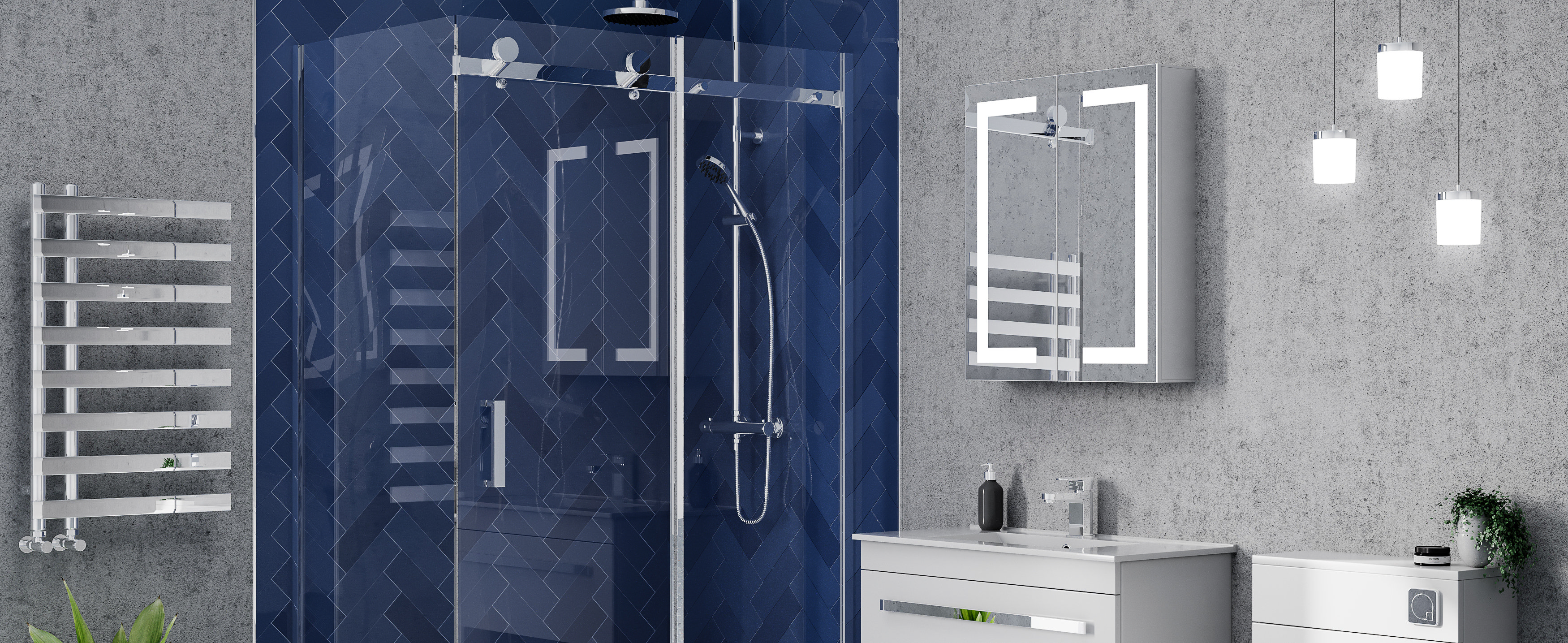
Choosing a shower enclosure is about finding the right fit for your bathroom, your shower tray and the way you use the space. The right enclosure should help keep water contained, feel comfortable to access and work with your layout.
This shower enclosure buying guide walks you through the main enclosure types, shapes, sizes, glass options, trays, seals and fitting checks, so you can choose a practical option for your bathroom.
Table of contents
- What is a shower enclosure?
- Planning your layout
- How to measure for a shower enclosure
- Enclosure types and shapes
- Shower enclosure essentials
- Features to look out for
- Seals, splash protection and waterproofing
- Optional extras and upgrades
- Safety, accessibility and aftercare
- FAQs
What is a shower enclosure?
A shower enclosure is the area around your shower that helps keep water where it should be. Usually made with glass panels, it stops spray from soaking the rest of the bathroom, helps reduce slippery floors and gives your shower space a neat, finished look.
Planning your layout
Before choosing a shower enclosure, check the space you’re working with. Measuring properly and thinking about where the enclosure will sit can help you avoid awkward door openings, tight access and unnecessary plumbing changes.
- Measure the space: Record the width, depth and height of the area where the enclosure will go. If you’re replacing an old shower or swapping out a bath, keeping the new enclosure in the same place can make installation easier and help reduce costs. Measure from finished tiled walls rather than bare walls, as tiles and boards can reduce the final opening size. If the enclosure is going onto a tray, check both the tray size and the finished space around it.
- Think about placement: Corner enclosures are great for small bathrooms, while recessed or alcove spaces may only need a shower door if the side walls are already in place. Larger bathrooms may suit a feature shower along one wall, while wet rooms create a more open, walk-in feel.
- Check door clearance: Make sure there’s enough room for the shower door to open properly and for you to get in and out comfortably. Check nearby toilets, basins, radiators and furniture won’t block the door’s path. Also check whether the door opens left or right, and whether the enclosure is reversible or handed.
- Consider access: Sliding, bi-fold or walk-in designs can work better where space is tight. Hinged or pivot doors usually need more room to open outwards.
- Check wall and floor levels: Uneven walls or floors can affect how well the enclosure fits and seals. Some framed enclosures have adjustment in the wall profiles, but frameless designs usually need more accurate installation.
How to measure for a shower enclosure
Accurate measuring is one of the most important steps when choosing a shower enclosure.
- Width and depth: Measure the finished opening at the top, middle and bottom, then compare the measurements with the product’s adjustment range. Use finished wall surfaces, not bare plasterboard or old enclosure labels.
- Height: Measure from the top of the shower tray or finished floor to the ceiling, checking for sloped ceilings, extractor fans, beams or lighting.
- Adjustment range: Many enclosures have wall profiles that allow small adjustments for uneven walls. Check the minimum and maximum fitting measurements before buying.
- Tray size: Match the enclosure to the tray shape and size. If you are replacing an existing enclosure, do not assume the tray size and enclosure size are exactly the same.
- Door opening: Check how much clear entry space you need and whether the door can open without hitting a toilet, basin, radiator or furniture.
- Handedness: Some doors, trays and offset quadrants are left- or right-handed, while others are reversible. Check the product diagram before ordering.
Enclosure types and shapes


Features to look out for
Once you know the size and layout you need, it’s time to look at the details. The right glass, fittings and installation type can make your shower enclosure easier to use, easier to clean and better suited to your bathroom.
- Glass thickness: Most shower enclosures use toughened safety glass, usually between 4mm and 10mm thick. Thicker glass tends to feel sturdier and more premium, while thinner glass is often lighter and more budget-friendly.
- Glass finish: Clear glass keeps the room feeling open and bright, while frosted, textured or patterned glass gives you more privacy. Fluted, smoked, tinted or mirrored finishes can add a more modern look if you want something a bit different.
- Easy-clean coatings: Anti-limescale or easy-clean glass coatings help reduce water marks, soap scum and limescale build-up, making the enclosure quicker to clean.
- Wet room installation: If you’re planning a wet room, check whether your floor can support a level-access design with drainage fitted into the floor. If not, a slightly raised shower area may be needed to allow for proper drainage.
- Modular or all-in-one design: Modular enclosures let you choose separate doors, panels and trays, which is useful for awkward spaces or custom layouts. All-in-one packages are simpler to buy and install, but may offer less flexibility.
- Shower fittings: Think about the type of shower valve, mixer and head you want. Thermostatic mixers are a good choice for keeping water temperature steady, especially in family bathrooms.
- Water pressure: Check your home’s water pressure before choosing features like rainfall heads, body jets or multi-outlet showers. Some shower fittings may need stronger pressure, a booster pump or changes to your hot water system.
- Reversible design: Some enclosures can be fitted left or right-handed, which gives more flexibility if your layout changes. Always check the product details before assuming a design is reversible.
- Quick release rollers: Sliding doors with quick release rollers can make cleaning tracks and glass easier.
- Low-threshold access: A low tray or level-access design can make the shower easier to step into.
Seals, splash protection and waterproofing
A shower enclosure helps contain water, but the final result depends on the tray, seals, fitting and shower strength.
- Door seals: Magnetic, vertical and bottom seals help reduce leaks around doors and panel edges. Check whether replacement seals are available.
- Tray sealing: The joint between the shower tray and wall must be sealed properly to help prevent leaks.
- Silicone maintenance: Silicone can wear, split or become mouldy over time, so it may need replacing as part of normal maintenance.
- Splash protection: Walk-in showers and wet rooms may need a wider glass panel or return panel if the shower is powerful or the room is compact.
- Waterproofing: Wet rooms and tiled shower areas should be tanked or waterproofed before tiling. Tiles and grout should not be relied on as the only waterproofing layer.
Optional extras and upgrades
Some shower enclosures and cabins include extra features for comfort or convenience. Before choosing them, check whether they need extra planning around ventilation, water pressure or electrical work.
- Hydro massage jets: Water jets can give a more powerful showering experience, but they may need stronger water pressure and extra cleaning.
- Steam functions: Steam features can make the shower feel more enclosed and relaxing, but they need suitable ventilation and a safe power supply.
- LED lighting: Adds a softer, more relaxing atmosphere and can help make the shower feel more modern.
- Aromatherapy: Uses scent to make showering feel more calming and luxurious.
- Chromotherapy: Uses coloured lighting to create a more relaxing mood in the shower area.
- Built-in radios and Bluetooth speakers: Let you listen to music, podcasts or the radio while you shower.
Before choosing electrical extras, make sure they’re suitable for bathroom use and fitted safely by a qualified professional.
Safety, accessibility and aftercare
Before you buy, it’s worth checking more than just the style and size. A good shower enclosure should be safe to use, easy to access where needed and supported by a reliable warranty.
- Safety and compliance: Look for enclosures made with toughened safety glass and check whether they meet relevant safety and durability standards. Certified products can give you extra confidence that they’ve been properly tested.
- Accessibility: If the shower needs to support reduced mobility, consider low-threshold or level-access trays to make entry easier. Wider openings, grab rails, fold-down seats and thermostatic controls can also make showering safer and more comfortable.
- Build quality: Spending a little more on a well-made enclosure can pay off over time. Sturdy glass, strong hinges, smooth rollers and reliable seals can help reduce maintenance and improve everyday use.
- Warranties and guarantees: Check what the product warranty covers, how long it lasts and whether seals, rollers or moving parts are included.
- Spare parts and after-sales support: Choose an enclosure where replacement seals, hinges, rollers and handles are easy to find. This makes future repairs simpler and can help extend the life of your enclosure.
- Cleaning and maintenance: Use a squeegee after showering to reduce water marks and limescale. Clean glass, seals, hinges and rollers with suitable non-abrasive products, and avoid harsh cleaners on easy-clean coatings.
- Seal checks: Check seals and silicone regularly, especially if you notice water escaping. Replacing worn seals early can help prevent leaks and water damage.
FAQs
Still got a few questions? Here are quick answers to common things people ask before choosing, replacing or fitting a shower enclosure.
To choose the right shower enclosure, start with your available space, shower tray size, door clearance and bathroom layout. Then compare styles such as sliding, hinged, quadrant, rectangular or walk-in designs. Check the enclosure is compatible with your layout and plumbing before buying.
Not always. Some enclosures include a tray, while others are sold as glass and door sets only. Always check whether the tray, waste, side panel and riser kit are included.
Measure the finished tiled opening at the top, middle and bottom, then compare the smallest measurement with the product’s adjustment range. Also check height, tray size, door clearance and access space.
Yes, you can replace just the shower enclosure if the existing shower tray and plumbing are in good condition. Check the new enclosure dimensions match the existing setup to avoid additional alterations.
Installing a shower enclosure typically costs £500 to £1,500, depending on the complexity of the installation, the enclosure type, and additional plumbing or tiling work required.
Choose the right size enclosure and tray, fit it squarely, seal the tray and wall joints properly, and keep door seals and silicone in good condition. If leaks continue, check whether the shower is too powerful for the screen size or whether the enclosure needs adjustment.
Final thoughts
Choosing the right shower enclosure comes down to size, shape, door style, tray compatibility and how much access you need. Measure the finished space carefully, check the adjustment range, choose the right tray and make sure any doors or panels suit your layout.
Once the practical details are covered, you can choose the glass finish, frame style and features that suit your bathroom, from compact quadrant enclosures to open walk-in showers and wet room designs. Explore our full range of shower enclosures to find the right fit for your bathroom.