Grab up to 60% off in Our Big Bathroom Savings!
+ Extra 10% off our Furniture Range With Code FURN10. Ends:
Shower Buying Guide
How to Choose the Right Shower
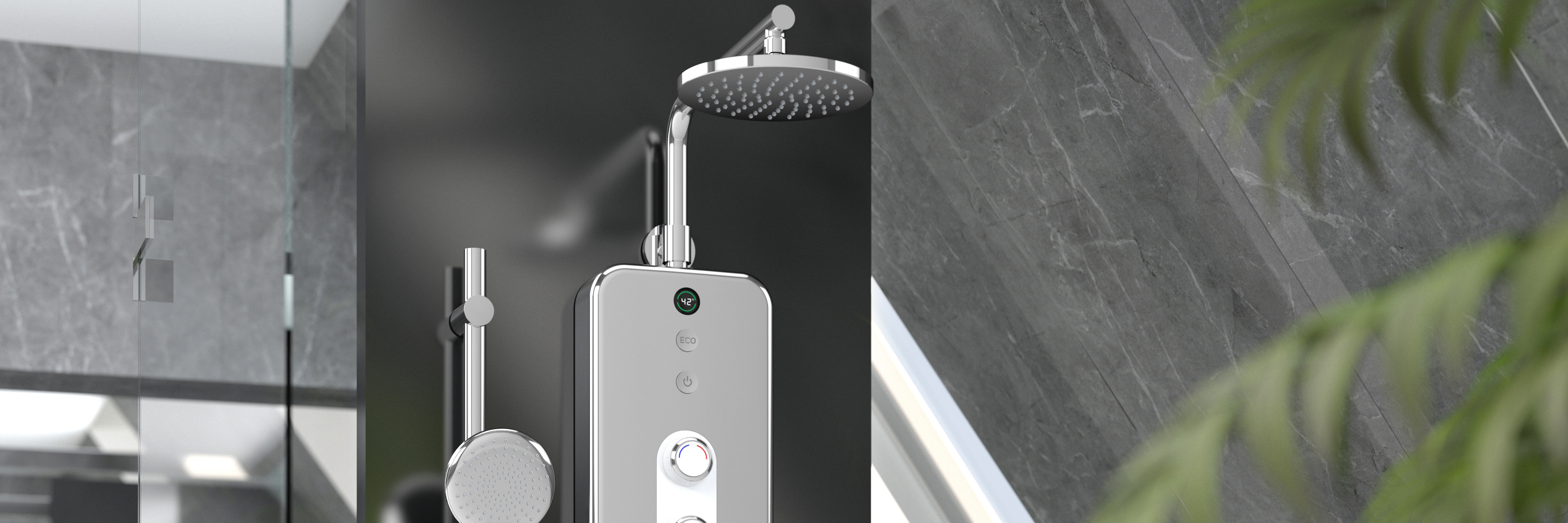
Choosing the right shower is about more than picking a style you like. Your water system, water pressure, bathroom size, installation requirements and choice of shower head, valve, enclosure and accessories all affect how well your shower works day to day.
In this guide, we’ll walk you through the key things to consider before buying, from water pressure and fitting costs to shower types, shower sets, running costs, enclosures and finishing touches, so you can choose a setup that suits your space, routine and budget.
Table of contents
- Installation considerations
- Types of showers
- Shower sets
- Shower heads
- Shower valves
- Shower enclosures
- Other shower essentials
- Running costs and water-saving features
- Maintenance tips
- FAQs
Installation considerations
Before choosing a shower, check your water system as well as your water pressure. Some showers work better with high-pressure systems, while others are designed for low-pressure homes or properties without a reliable hot water supply.
Water pressure
Your water pressure affects what kind of shower you can install. High-pressure systems, such as combi boilers, usually offer more flexibility, while low-pressure homes may need a power shower or pump to boost flow. First, check which water system you have:
- Gravity-fed system: A cold water tank in the loft and a hot water cylinder in the airing cupboard. Pressure may be low, so mixer showers may need a pump and power showers can be a suitable option.
- Combi boiler system: No tanks, just a boiler that heats water on demand. This setup often works well with mixer showers, thermostatic mixers and digital showers, depending on the pressure and flow rate.
- Unvented system: A hot water cylinder under mains pressure, designed to supply strong hot water flow. This can work well with mixer, thermostatic and digital showers, but always check product pressure requirements.

Your water system affects which showers will work properly, so always check the product’s pressure and flow requirements before buying:
- Mixer showers: Usually work best with a reliable hot and cold water supply. They can suit combi boilers, unvented systems and some gravity-fed systems, depending on pressure.
- Thermostatic mixer showers: A good choice for family bathrooms because they help keep the temperature stable. They still need suitable pressure and balanced hot and cold supplies.
- Electric showers: Heat cold mains water on demand, so they do not rely on stored hot water. They need a suitable electrical supply and professional installation.
- Power showers: Designed for low-pressure gravity-fed systems, using an integrated pump to boost flow. They are not usually suitable for high-pressure mains systems or combi boilers.
- Digital showers: Use a separate digital processor to control flow and temperature. Some models are designed for high-pressure systems, while others are designed for pumped low-pressure systems.
Space
For smaller bathrooms, a combination bath and shower can save space, while walk-in showers offer a luxurious experience in larger spaces. Low-profile trays or tileable bases are ideal for people with reduced mobility, offering safe and easy access. You can even add non-slip shower seats and grab rails for extra safety and comfort.
Also check door openings, shower screen clearance, tray size, ceiling height and access around nearby toilets, basins and radiators. A shower may fit on paper but still feel awkward if the door opening or entry space is too tight.
How much does it cost to fit a shower?
Once you’ve chosen your new shower, you may need a qualified tradesperson to fit it, especially if plumbing or electrical work is involved.
Electric and digital showers should be installed by qualified professionals to help make sure the work is safe, compliant and in line with the product warranty.
The labour cost involved will obviously vary in relation to the complexity of the installation and may depend on where you live in the UK.
However, it could cost as little as £100, if, for example, it's a like-for-like replacement, or could be somewhere between £330 to £430 for a brand new mixer shower installation (or up to £550 for an electric shower).
Types of showers


Shower sets
Choosing the right shower can feel a little confusing when there are so many separate parts to think about. Shower sets make things simpler by combining key components into one coordinated package, helping you create a shower that looks good, works well and suits your bathroom setup.
Shower sets vary by product, so check exactly what is included. Some include only the valve and shower kit, while others include a fixed head, handset, hose, riser rail, wall outlet or body jets.
What are shower sets?
Shower sets combine key parts of the shower, such as the valve, shower head, riser rail or handset, into one coordinated package. They make it easier to match your shower parts and can help reduce compatibility issues between separate components.
Why choose a shower set?
A shower set is a simple way to get key shower parts in one coordinated package. Instead of buying each part separately, you get matching pieces such as the shower head, valve and riser kit, helping you avoid compatibility issues and create a more coordinated finish.
Shower sets are available in a wide range of styles and finishes, from classic chrome to black and brushed brass, so it’s easy to find one that suits your bathroom. They’re a great choice for busy households, quick upgrades and anyone who wants a practical shower setup with a consistent finish.
Types of shower sets
Shower sets come in different styles and configurations, so the right choice depends on how you want your shower to work and how you use it day to day. First, think about the type of shower set that suits your bathroom and routine:
- Thermostatic shower sets: These include a thermostatic valve for precise temperature control and anti-scald protection, making them a great choice for family bathrooms.
- Rain shower sets: Designed with a large rainfall-style shower head, these create a more relaxing, spa-like feel. Many also include a handheld shower for extra flexibility.
- Mixer shower sets: These combine a mixer valve with a fixed shower head and, in some cases, a handheld attachment. They can work well if your hot and cold water supplies are suitable.
Next, consider how many outlets you want your shower set to include.
- 1 outlet shower systems: A simple yet stylish solution for compact spaces.
- 2 outlet shower systems: Usually control two functions, such as an overhead shower and handset.
- 3 outlet shower systems: Can control three functions, such as an overhead shower, handset and body jets.
- 4 outlet shower systems: Control multiple shower functions, but need strong water pressure and careful installation planning.
The more outlets a shower system has, the more important water pressure and flow rate become. A 3 or 4 outlet system may need stronger pressure, larger pipework or a high performance hot water system to work well.
Choosing a shower set can make it easier to buy matching shower parts and reduce compatibility issues. Whether you prefer a modern or more traditional finish, check what is included and make sure the set suits your water system, pressure and layout.


Shower heads
Your shower head choice can make a big difference to how your shower feels day to day. From fixed rainfall designs to flexible handheld options, the right style can improve comfort, convenience and how well your shower works for your routine.


Shower valves
Shower valves control the flow and temperature of your water, so choosing the right type can make a big difference to comfort, safety and installation. The best option depends on your water system, bathroom layout and how much control you want over your shower.
- Manual valves: A simple, affordable option that lets you control the temperature yourself. They’re great for budget-conscious buyers, but the water temperature can fluctuate if someone uses another tap or water outlet at the same time.
- Thermostatic valves: These help keep the water temperature consistent, even when water is being used elsewhere in the home. They’re a safer choice for family bathrooms, offering anti-scald protection and extra peace of mind for children or older users.
- Concealed valves: Fitted behind the wall for a clean, minimalist finish, making them ideal for modern bathrooms and custom shower setups. Concealed valves offer more flexibility with where controls and outlets are placed, but they’re more complex to install and can be harder to access for maintenance.
- Exposed valves: Mounted on the wall, making them easier to install, access and maintain. Exposed shower valves are a practical choice for straightforward shower updates, though they don’t look as streamlined as concealed valves and placement can be more limited.
When choosing a shower valve, check how many outlets it controls. A 1 outlet valve usually controls one shower function, such as a fixed head or handset, while 2, 3 and 4 outlet valves can control multiple features, such as an overhead shower, handset and body jets. The more outlets you choose, the more important water pressure, flow rate and installation planning become.
It’s also worth checking for approvals and future access. WRAS-approved valves meet recognised UK water regulation standards, while TMV2 or TMV3 thermostatic valves can be useful in family, accessible or healthcare-style bathrooms where extra scald protection matters. Concealed valves look neater, but they should always be planned with maintenance access in mind, as repairs can be more disruptive than with exposed valves.
Shower enclosures
Choosing the right shower enclosure helps keep water contained and makes the shower easier to use day-to-day. The best option depends on your space, tray shape, door clearance and how much access you need.


Other shower essentials
Shower trays, screens and accessories help you finish your shower space properly, whether you’re building a full enclosure or adding shower functionality to a bath. The right extras can improve comfort, practicality and style while making your setup feel more complete.
- Shower trays: Choose a shower tray that fits your enclosure and bathroom layout, with options ranging from ultra-slim designs to durable stone resin styles. They’re ideal for customising your shower setup and getting the right fit and finish.
- Shower wastes: Shower trays need a compatible shower waste so water can drain away quickly enough. High-flow showers may need a fast-flow waste.
- Shower pumps: Shower pumps can help improve pressure on suitable gravity-fed systems. They must be matched to your water system and installed correctly.
- Bath shower screens: A smart way to make the most of your bath, with curved, square and sail designs available. Bath screens are perfect for bath-shower combinations, giving you the option to shower without needing a separate enclosure.
- Shower accessories: Complete your space with practical extras like body jets, shower curtains, storage and squeegees. Choose from finishes such as chrome, black, gold and brushed nickel to match your shower with the rest of your bathroom.
- Storage and niches: Built-in shower niches, baskets or shelves keep bottles within reach and can reduce clutter in the shower area.
Running costs and water-saving features
Shower running costs depend on how the shower heats water, how much water it uses and how long it is used for.
- Electric showers: Electric showers heat cold water on demand, so running costs depend on the kW rating and how long the shower is used.
- Mixer showers: Mixer showers use hot water from your boiler or cylinder, so costs depend on your heating system, water flow and hot water use.
- Power showers: Power showers can use more water because they boost the flow, so they may increase both water and hot water use.
- Digital showers: Some digital showers include timers, eco modes or app controls to help manage water use.
- Water-saving features: Eco shower heads, flow regulators, timers and thermostatic controls can help reduce wasted water and energy without making the shower feel underpowered.
Maintenance tips
Regular care can help keep your shower working properly:
- Shower heads: Clean them regularly to help reduce limescale build-up. Many modern shower heads come with anti-limescale features, which can make cleaning easier, especially in hard water areas.
- Valves and seals: Check for leaks or worn seals regularly, especially in concealed systems. Spotting issues early can help reduce repair work later, as fixing concealed valves may involve removing tiles or panels.
- Descale regularly: In hard water areas, descale shower heads and handsets to help keep spray patterns clear and pressure consistent.
- Clean filters: Some showers, valves and pumps include filters that may need cleaning to maintain flow.
- Check silicone and grout: Keep the shower area sealed properly to help prevent leaks and water damage.
- Ventilate the room: Use an extractor fan or open a window after showering to reduce condensation and mould.
- Test safety features: For thermostatic showers, check that temperature controls and anti-scald features continue to work properly.
FAQs
Still choosing the right shower? These quick answers cover a few common compatibility questions around power showers, electric shower ratings and shower pumps.
The best shower type depends on your water system and pressure. Mixer and thermostatic showers often work well with combi boilers and unvented systems, while power showers are usually designed for low pressure gravity-fed systems. Electric showers heat cold mains water on demand, so they do not rely on stored hot water.
In many cases, yes. Mixer, power and digital showers often need plumbing work, while electric showers also need a suitable electrical supply. Use qualified professionals where required, especially for electrical work or changes to pipework.
Higher kW electric showers can provide better flow, but they also need a suitable electrical circuit, cable and fuse. Always check the product requirements and use a qualified electrician.
Power showers are usually designed for low-pressure gravity-fed systems and are not normally suitable for combi boilers or high-pressure mains systems. A mixer or thermostatic shower is usually a better option for a combi boiler.
No. Shower pumps are usually designed for gravity-fed systems with a cold water tank and hot water cylinder. They are not normally suitable for combi boilers or mains-pressure systems. Always check your water system and the pump manufacturer’s guidance before buying.
Final thoughts
Choosing the right shower comes down to your water system, pressure, bathroom layout and how the shower will be used day to day. Start by checking compatibility, then choose the shower type, valve, head, enclosure and accessories that suit your space.
Once the practical details are covered, you can focus on comfort and style, from simple mixer showers to digital controls, rainfall heads and full shower sets.
Ready to make a splash? Explore our full range of showers and upgrade your bathroom today.