Grab up to 60% off in Our Big Bathroom Savings!
FLASH DEAL: Extra 10% off our Toilet Range With Code FLUSH10
Kitchen Taps Buying Guide
How to Choose the Right Tap for Your Kitchen
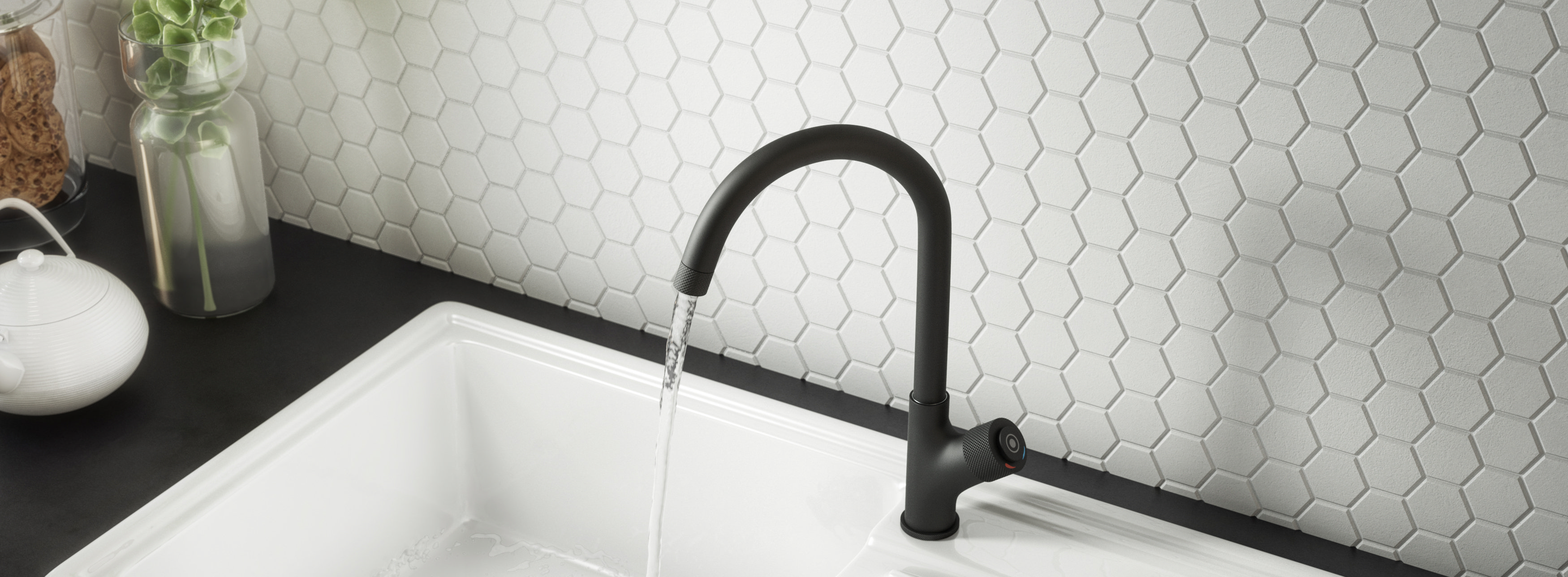
The right kitchen tap should look good, fit your sink and work properly with your water pressure. It should also suit how you use your kitchen day to day, whether you need a simple mixer tap, a pull-out spray, filtered water or boiling water.
This kitchen taps buying guide walks you through the main tap types, styles, finishes and fitting checks, so you can find an option that suits your kitchen and the way you use it.
Table of contents
- Before you buy
- Kitchen tap measurements and sink compatibility
- Types of kitchen taps
- Styles of kitchen taps
- Kitchen tap finishes
- Installation and maintenance tips
- How to fit a kitchen tap
- FAQs
Before you buy
Before choosing your kitchen tap, check your water pressure and sink setup. Gravity-fed systems usually need low-pressure taps rated from 0.1 bar, while combi boilers and unvented systems often work with most modern taps. Always check the minimum bar rating, as low pressure can mean weaker flow.
Next, count your sink holes. One tap hole suits most monobloc mixer taps, while two holes work for pillar taps, bridge mixers or separate hot and cold controls. No pre-drilled holes may mean fitting the tap into the worktop, wall-mounting it, or drilling a new hole.
Once you know your water pressure and sink-hole setup, check the tap measurements carefully. Spout height, reach, rotation and under-sink clearance can all affect how well the tap works with your sink.
Think about how you use your kitchen too. Single lever taps are quick to adjust, dual lever taps give separate hot and cold control, and crosshead handles bring a more traditional look. Pull-out sprays, filter taps and boiling water taps can be useful extras, but they may need extra under-sink space or a qualified installer.
Finish by choosing a style and finish that works with your kitchen, whether that’s chrome, black, brass or stainless steel. A good quality tap that suits your plumbing can work better day-to-day and help avoid fitting issues later.
Kitchen tap measurements and sink compatibility
Before choosing a kitchen tap, check the measurements against your kitchen sink, worktop and surrounding space. A tap might look right, but still be awkward to use if it is too tall, too short or positioned in the wrong place.
- Spout height: Taller spouts give more room for filling pans and washing larger items, but they can splash more if paired with a shallow sink.
- Spout reach: Spout reach is how far the water outlet extends over the sink. The water should land comfortably inside the bowl rather than too close to the edge or directly onto the worktop.
- Tap rotation: Swivel taps are useful for double bowl sinks because you can move the water flow between bowls. Check the rotation angle if the tap is close to a wall, window sill or splashback.
- Sink depth: Deep sinks can work well with tall taps, while shallow sinks may need a lower spout or softer water flow to reduce splashing.
- Under-sink space: Filter taps, boiling water taps and pull-out taps may need extra space below the sink for tanks, filters, hoses or weights.
- Window clearance: If your sink sits under a window, check the tap height and handle position so the window can still open.
Types of kitchen taps
Kitchen taps do a lot more than run hot and cold water. From pull-out sprays for quick clean-ups to boiling-water taps for busy mornings, the right type can make everyday kitchen jobs feel easier. Here’s a quick look at the main options and where they work best.


Styles of kitchen taps
Once you know which type of tap works for your sink and water pressure, you can think about style. Choose a tap that suits your kitchen finish, cabinet handles, sink material and how you use the space.
Also think about scale. A large statement tap can overwhelm a small sink, while a very small tap may feel impractical with a deep or double bowl sink.


Installation and maintenance tips
A kitchen tap should be fitted securely, sealed properly and looked after regularly to keep it working well.
- Like-for-like replacements: Replacing a tap with the same sink-hole layout is usually simpler than changing to a different style.
- Professional installation: Wall mounted, boiling water, filtered and multi-function taps may need professional installation, especially where electrics, hidden pipework or under-sink tanks are involved.
- Access below the sink: Make sure there is enough room to tighten fittings, connect hoses and replace filters later.
- Clean the aerator: If water flow becomes uneven, the aerator may need cleaning to remove limescale or debris.
- Protect the finish: Use gentle cleaners and avoid abrasive pads, especially on matt black, brushed brass, copper or coloured finishes.
- Check for leaks: After installation, check pipe connections, flexible tails and filter housings for leaks.
How to fit a kitchen tap
Once you’ve chosen a tap that suits your sink, water pressure and kitchen layout, it’s useful to see what fitting involves before you get started. Watch our step-by-step video below for a simple guide to fitting a kitchen tap, including the key tools, connections and checks to make before use.
Not always. Check how many tap holes your sink has, the tap hole size, the worktop or sink thickness and the space behind the sink. Some taps also need extra room under the sink for hoses, filters or boiling water tanks.
Check your boiler or water system, then compare it with the tap’s minimum bar rating. Low-pressure systems usually need taps rated from 0.1 to 0.3 bar, while many high-pressure taps need around 1.0 bar. A plumber can help if you’re unsure.
Not always. Some taps include flexible tails and basic fixings, while filters, boiling water tanks, isolation valves, connectors and specialist fittings may be sold separately.
Most boiling water taps include safety features such as childproof controls and insulated spouts. Always follow the manufacturer’s instructions for safe use, cleaning and filter changes, and make sure the tap is installed correctly.
Final thoughts
Once you’ve checked your water pressure, sink setup, tap holes and spout measurements, choosing the right kitchen tap becomes much easier. Think about how you use your sink day to day, whether you need features like a pull-out spray or filter, and how much under-sink space you have.
From simple mixer taps to boiling water and filtered designs, the best kitchen tap is one that fits your sink, works with your water system and makes everyday kitchen tasks easier. Browse our full range of kitchen taps.