Grab up to 60% off in Our Big Bathroom Sale!
+ Extra 10% off our Arezzo Range With Code AREZZO10. Ends:
15 Great Bathroom Flooring Ideas
Are you struggling to find the right floor tiles for your bathroom? With so many options, we’ll help you narrow it down to what works best for you. The right choice doesn’t just look good, it makes your life easier!

Here are 15 flooring ideas to help you boss your bathroom.
1. Matt-ters of Taste
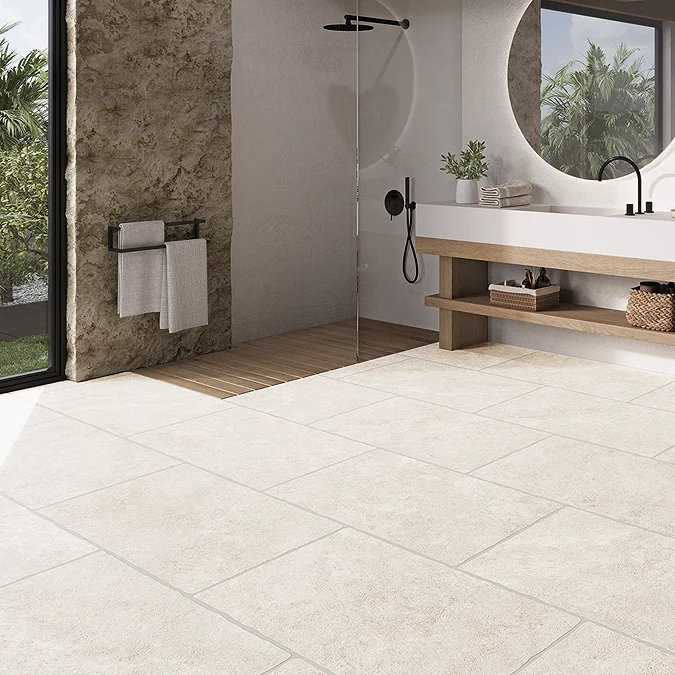
Porcelain floor tiles are a classic choice as they are tough, easy to clean, and come in almost every style under the sun!
Let’s face it, bathrooms get super messy super fast - especially if kids or pets are involved. Matt tiles are super easy to maintain and super slip-resistant. This can serve you well if you're in a busy household. For those who prefer a softer, less slippery feel, matt tiles offer a more grounded, natural texture.
2. Wood You Believe It’s Not Real?

Real wood looks stunning in most home, but can they work in the bathroom? Wood flooring doesn’t always hold up well to splashes, steam, and humidity. Moisture on untreated wood can lead to warping, swelling, and endless maintenance. But don’t worry, that’s where wood-effect flooring comes in.
Want to walk barefoot across a floor that looks like real wood, without the worry of it swelling, splintering, or staining when wet? Wood-effect flooring, whether in vinyl or tiles, gives you the beautiful, natural look of wood without the downsides.
3. Monochrome Magic: Black and White Done Right
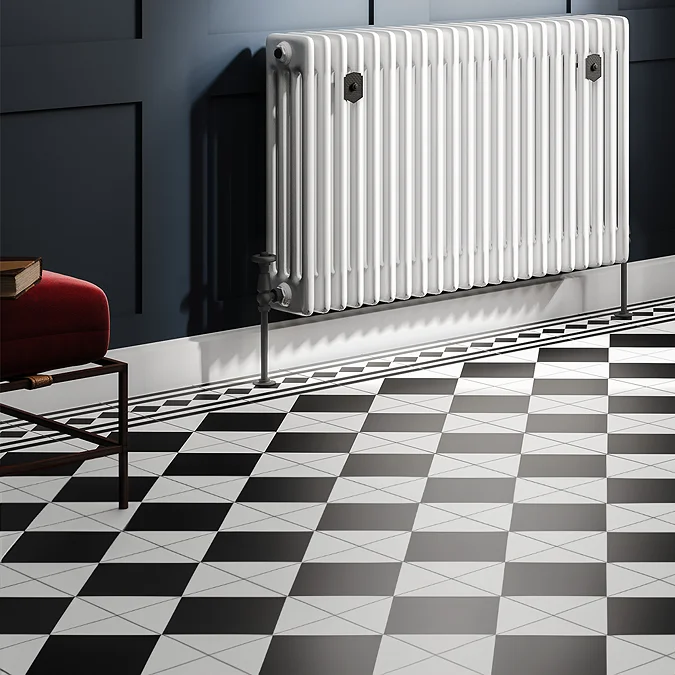
We love a bold monochrome look! Black and white flooring never disappoints. Whether you’re into the classic checkerboard effect or prefer something a little more unique, like stripes or an abstract pattern, this style gives you endless ways to express your personality. Plus, black and white patterns are perfect for adding contrast and drama to your bathroom without overwhelming the space.
It’s a timeless choice that can transform any bathroom into a chic, eye-catching space with minimal effort. From retro vibes to ultra-modern minimalism, you’ll find a style that suits your taste and keeps your bathroom looking fresh and clean.
4. Marble At These Wonders!

The classic veining of marble, gives your space an instant upgrade. Marble effect tiles are very popular as they provide the realistic look of marble without upkeep or price tag of real marble. Marble effect tiles are easy to maintain of as they are made of porcelain.
Whether you’re after a sleek, modern bathroom or something more traditional, marble effect tiles fit seamlessly into any design. They bring a level of refinement that never goes out of style, transforming your bathroom into a space that feels elegant and timeless.
5. Toe-tally Cosy Tiles

Tired of stepping out from your shower onto cold tiles? Ever thought of installing underfloor heating? As well as the benefit of a cosy feeling underfoot, underfloor heating is also energy-efficient, so you’ll stay warm without worrying about your bills skyrocketing. Plus, it works in bathrooms of all shapes and sizes, making it a game-changer for any space. Warm feet, warm heart — it’s a win-win!
6. It’s The Vinyl Countdown

Vinyl planks might just be your bathroom’s best-kept secret. A floor that’s soft and warm underfoot, while also keeping things quiet — no more echoing footsteps or the sound of kids running around like a herd of elephants on a Sunday morning. With heat-retaining and sound-dampening qualities, these planks create a peaceful, cosy space, perfect for busy family homes.
7. It's a Porcelain-al Choice

Encaustic effect tiles are the optimal choice for adding instant personality to a bathroom. The vibrant colours and alluring patterns help to add real personality to bathrooms, especially small bathrooms. Real encaustic tiles are made from coloured cement while encaustic effect tiles like the ones seen here are often made from porcelain - a common choice for UK bathrooms.
8. Porcelain Perfection

If you’re after bathroom flooring that can stand the test of time, porcelain tiles are a smart choice. These beauties? They’re the tough-as-nails option that’ll last for decades without breaking a sweat. They’re the heavyweights of the tile world, with a thicker, more substantial feel underfoot, giving your bathroom a real sense of luxury and quality. Once these tiles are down, they’re staying put.
9. Rock Solid Stone Looks

If you’re after that raw, earthy vibe without the maintenance headaches, stone-effect tiles are where it’s at. Imagine walking into your bathroom and feeling like you’ve stepped into a luxurious spa retreat, with the rugged texture of stone underfoot. These tiles capture the timeless beauty of natural stone, adding a touch of grandeur to your bathroom without the hassle of real stone upkeep.
Think cool, sleek surfaces that give your space a calm, grounded feel — perfect for unwinding after a long day. Stone-effect tiles come with all the visual appeal of slate or marble, but without the cost, sealing, or constant worry about water damage. They’re durable, easy to clean, and can handle everything from steamy showers to the chaos of a busy household.
Tired of battling with flooring that needs constant care? Stone-effect tiles give you the look of natural stone with zero fuss. It’s luxury that works for you — tough, practical, and effortlessly chic.
10. Pattern Play: Tiles With a Twist

Bored of plain floors? Why settle for ordinary when you can have floors that pack a punch? Classic patterned tiles are making a serious comeback, but with a twist — vintage charm meets modern flair. Think elegant Victorian patterns, but in vibrant, unexpected colours that make your bathroom anything but basic. It’s like giving your space a personality upgrade. Bold. Stylish. A little bit cheeky.
You deserve a floor that looks like it belongs in a boutique hotel. These patterns pull the eye in, creating a statement that’s both timeless and trendy. Whether your bathroom is modern, traditional, or somewhere in between, these tiles fit in like they were made just for you (they were).
Worried about keeping them clean? Don’t be. They’re as tough as they are good-looking, ready to handle whatever your day throws at them without losing their shine.
11. Mosaic Masterpiece

Want to turn your bathroom into a stunning visual experience? Mosaic tiles are your secret weapon. With their intricate patterns and endless colour combinations, these tiles create a unique, textured look that feels more like artwork than flooring. They’re the perfect way to break free from bland, flat surfaces and give your bathroom some personality.
You’ll be stepping into your bathroom greeted by a dazzling display of tiny tiles, each reflecting light like a thousand little gems. It’s like having a masterpiece underfoot — making even a quick morning shower feel like an indulgent escape.
Mosaics let you customise your bathroom to match your style. And don’t worry about keeping them clean — mosaic tiles are easy to wipe down, so you can maintain that just-installed sparkle without the hassle.
12. Geo-metric Styles

Looking to give your bathroom a futuristic, minimalist edge? Geometric tiles are where sleek design meets bold impact. With their sharp, angular patterns, these tiles instantly transform your bathroom into a striking, contemporary space. The clean lines and bold shapes bring a modern, almost futuristic vibe, turning your floor into a true statement piece.
13. Floors That Feel Homey

If you’re longing for a bathroom that feels more like a country retreat than an urban hub, rustic patterned tiles are exactly what you need. With their soft, weathered designs, these tiles bring the warmth and charm of a cosy countryside cottage straight into your home. They offer that perfect lived-in feel — seamlessly blending vintage charm with modern practicality.
14. Hex-tra Special Floor Tiles!
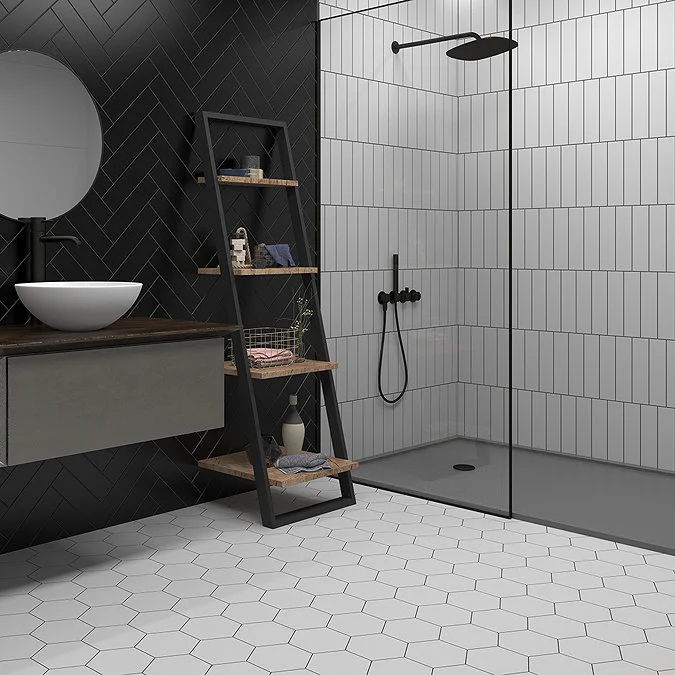
Looking to make your bathroom stand out from the crowd? Hexagon floor tiles are the perfect choice for creating a bold, modern statement. Their sleek, geometric shape brings a futuristic flair, giving your bathroom a unique, eye-catching design that’s anything but basic.
Whether you go for a monochrome palette or inject some colour with bold hues, these tiles add an ultra-modern twist to any space. The honeycomb pattern creates a striking visual effect, turning your floor into a work of art. Ideal for those who love clean lines and want to embrace the geometric tile trend with a bit more creativity, hexagon tiles offer a fresh, playful approach to bathroom design.
Perfect for both small and large spaces, these tiles can be used to create an elegant, cohesive look or as a bold feature floor that draws attention the moment you step inside.
15. Mat’s All, Folks! Say Goodbye to Soggy Carpets

Carpet in your bathroom? Think about stepping onto damp squelching carpet — gross, right? That’s like inviting a swampy bog into your home. Sure, carpet feels warm, but mix fabric with moisture and you’re asking for trouble.
Mould, musty smells, and a cleaning nightmare. Instead, treat yourself to a fluffy bath mat. It gives you that soft, warm feel when you step out of the shower, without turning your bathroom into a breeding ground for mildew.
Bath mats are easy to clean — just pop them in the wash, and no soggy surprises.
Our extensive range of bathroom flooring is designed to handle real life, from splashes and steam to pets and kids. With styles that blend beauty and durability, we make it easy for you to find the floor that works for your home and your lifestyle.

Jack
Jack is part of the resident bathroom bloggers team here at Victorian Plumbing. As a bathroom décor and DIY expert, he loves writing in depth articles and buying guides and is renowned for his expert 'how to' tutorials.


