Grab up to 60% off in Our Big Bathroom Sale!
+ Extra 10% off our Furniture Range With Code FURN10. Ends:
Shower Tray Buying Guide
How to Choose a Shower Tray
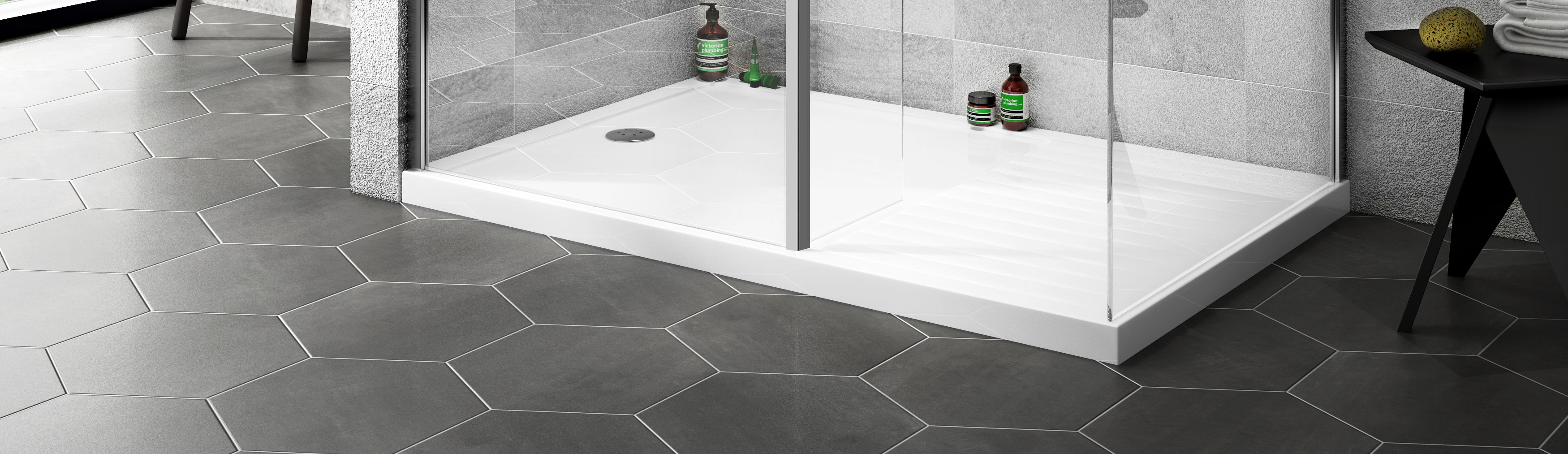
Choosing the right shower tray is about more than picking a size and shape. The tray needs to fit your enclosure, suit your plumbing, drain properly and feel safe underfoot.
This shower tray buying guide covers the key things to consider before you buy, including tray sizes, materials, shapes, heights, waste positions, installation types and maintenance tips.
Table of contents
- Key considerations before you buy
- Shower tray sizes
- Shower tray materials
- Shower tray shapes
- Shower tray height, installation and drainage
- Before fitting your shower tray
- How to install a shower tray
- Maintenance tips
- FAQs
Key considerations before you buy
Before choosing a shower tray, think about how it will fit, how safe it needs to be and what your plumbing allows. Getting these basics right early on can help you avoid leaks, poor drainage and costly installation issues later.
- Size and space: Measure the finished space where the tray will sit, including the width, depth and available height. If walls are being tiled or panelled, remember that finished wall surfaces can reduce the final opening size. Compact bathrooms often suit square or quadrant trays, while larger rooms can work well with rectangular or walk-in trays.
- Enclosure compatibility: Make sure the tray shape and size match your shower enclosure. Quadrant trays need the correct curve radius, offset quadrant trays may be left or right handed, and walk-in trays need enough length to control splashes.
- Safety and access: Anti-slip shower trays can help reduce the risk of slips, especially in family bathrooms or spaces used by older adults. Also think about step-in height, as raised trays are easier for plumbing access but less accessible than low-profile or level-access options.
- Tray height: Standard trays are usually deeper than low-profile designs, while raised trays use legs or a riser kit to create space for pipework. Low-profile trays sit closer to the floor for a sleeker look, but they often need waste pipework below floor level. Wet room trays or formers can create a level-access finish, but need more careful drainage and waterproofing.
- Plumbing and installation: Check where the tray waste sits and whether it lines up with your drainage. Moving waste pipework can add time and cost, especially on solid floors. The tray must also be level, fully supported and sealed correctly to help prevent leaks.


Shower tray sizes
Shower trays come in a wide range of sizes, so choose one that gives enough room to shower while still fitting comfortably in your bathroom.
- Compact trays: Smaller trays, such as 700 by 700mm or 800 by 800mm, can work well in en-suites, cloakrooms and small bathrooms.
- Standard trays: Square, quadrant and rectangular trays in common sizes are a practical choice for everyday bathrooms and replacement projects.
- Large trays: Longer rectangular trays, often 1200mm or more, suit walk-in showers and larger bathrooms where you want more showering space.
Measure the finished area carefully and check nearby toilets, basins, radiators and furniture will not block the enclosure door or entry space.
Shower tray materials
Shower tray material affects how sturdy the tray feels, how easy it is to clean and how much care it may need over time. Before choosing, think about the finish, weight, grip and installation requirements. Here's a breakdown:
- Stone resin: Stone resin shower trays are made from a blend of natural stone and resin, giving them a solid, sturdy feel. They can be durable and easy to maintain, but always check the surface finish, anti-slip details and cleaning guidance before buying.
- Acrylic: Acrylic shower trays are lightweight, budget-friendly and relatively easy to handle during installation. They are usually available in standard shapes and sizes. They may feel less solid than stone resin and can be more prone to scratches, so check whether the tray has extra reinforcement or an acrylic-capped construction.
- Slate effect: Slate effect shower trays give you the look of slate with a textured finish that can add grip underfoot. They are designed for everyday bathroom use, but you should still check the product’s care instructions, anti-slip details and cleaning guidance before buying.
- Enamel: Enamelled trays offer a strong, smooth finish that resists scratches and heat well. They can chip if hit with heavy objects, so any damage should be repaired quickly to help prevent corrosion.
- Ceramic: Ceramic trays have a hard, glossy surface that is durable and easy to clean. They can be heavy and more brittle than some modern tray materials, so installation needs care.
Shower tray shapes


Shower tray height, installation and drainage
Tray height affects how your shower looks, how easy it is to step into and how the waste pipework is fitted. Before choosing a tray, check whether your plumbing can run below the floor or whether the tray needs to be raised to create space for drainage:
- Low-profile trays sit close to the floor for a sleek, modern look and a lower step into the shower. They work best when there is enough space below the floor for the waste and pipework.
- Raised trays use legs and a riser panel to lift the tray above the floor. They’re useful where the waste pipework needs to run above floor level, especially on solid floors, but they create a higher step into the shower.
- Wet room trays and formers can create a level-access shower area. They need suitable floor support, drainage falls and waterproofing before tiling, so they usually need more planning than a standard shower tray.
Shower tray wastes can sit in the corner, centre, side or end of the tray. Before buying, check whether the waste position lines up with your existing drainage, as moving waste pipework can add time and cost.
If you’re choosing a large rainfall shower or high-flow shower, you may also need a fast-flow waste so water can drain away quickly enough. This helps reduce the risk of water pooling in the tray.
Make sure the waste can be accessed for cleaning or future repairs, especially with low-profile trays where pipework may be hidden below the floor. Raised trays with riser panels can make access easier because the panel can usually be removed.
Before final sealing or tiling, the tray should be checked to make sure water drains properly and the waste connection does not leak.
Before fitting your shower tray
Before fitting a shower tray, make sure the floor, walls and enclosure are ready. A tray needs a stable base, accurate positioning and good sealing to help prevent leaks later.
- Check the floor: The floor should be strong, level and able to support the tray. Timber floors may need extra support, while solid floors may need a raised tray or riser kit if there is no space for pipework below.
- Check the walls: Make sure the surrounding walls are straight, stable and ready for tiling, wall panels or the shower enclosure. Uneven walls can make it harder to seal the tray and fit the enclosure neatly.
- Waterproof the area: Shower areas should be properly waterproofed, especially if you’re creating a wet room or tiling around the tray. Tiles and grout should not be relied on as the only waterproofing layer.
- Support the tray properly: The tray must be fitted level and fully supported according to the manufacturer’s instructions. Movement under the tray can lead to cracked seals, leaks or damage over time.
- Seal the edges: Use suitable bathroom-grade silicone or a tray sealing system around the tray edges to help prevent water getting behind or underneath the tray.
- Only cut if suitable: Some trays are designed to be cut to size, but many are not. Always check the product guidance before cutting, as cutting the wrong tray can damage it or void the guarantee.
How to install a shower tray
Once you’ve chosen the right shower tray and checked your floor, walls, waste position and enclosure setup, it helps to see what fitting involves. Watch our step-by-step video below for a simple guide to installing a shower tray, including positioning, support, sealing and the key checks to make before use.
Maintenance tips
A little regular care will help keep your shower tray looking good and draining properly.
- Regular cleaning: Use mild bathroom cleaners to help reduce the build-up of soap scum and limescale. Avoid harsh chemicals that may damage the surface.
- Limescale and rust removal: Use white vinegar or lemon juice to dissolve limescale deposits, and baking soda for rust marks.
- Drain maintenance: Regularly check the waste and clear out any debris to help water drain properly.
- Avoid standing water: If water pools on the tray, check the tray is level and the waste is draining correctly.
FAQs
Still got questions? Here are quick answers to a few common things people ask before choosing or fitting a shower tray.
The terms are often used interchangeably. In most UK buying contexts, the shower tray is the visible base you stand on, where water collects and drains away. A shower base can also refer to the supporting structure beneath the tray, depending on the installation type.
Yes, shower trays absolutely need a trap! A shower trap, also known as a shower waste, is a small but crucial component that helps prevent blockages in your drainage system by catching debris like hair before it gets swept down the pipes. It works similarly to a sink trap, ensuring smooth water flow and stopping any unpleasant odours from creeping up into your bathroom.
Not always. Some trays include a waste, while others are sold as the tray only. Always check the product details and make sure the waste is compatible with the tray and shower flow rate.
Final thoughts
Choosing the right shower tray comes down to size, shape, material, waste position and installation type. Measure the finished space carefully, check the tray matches your enclosure and make sure the waste and pipework can drain properly.
Once the practical details are covered, you can choose the finish and style that suits your bathroom, from compact quadrant trays to low-profile walk-in designs.
Ready to find the perfect tray? Explore our wide range of shower trays and transform your bathroom into a modern, functional space.